
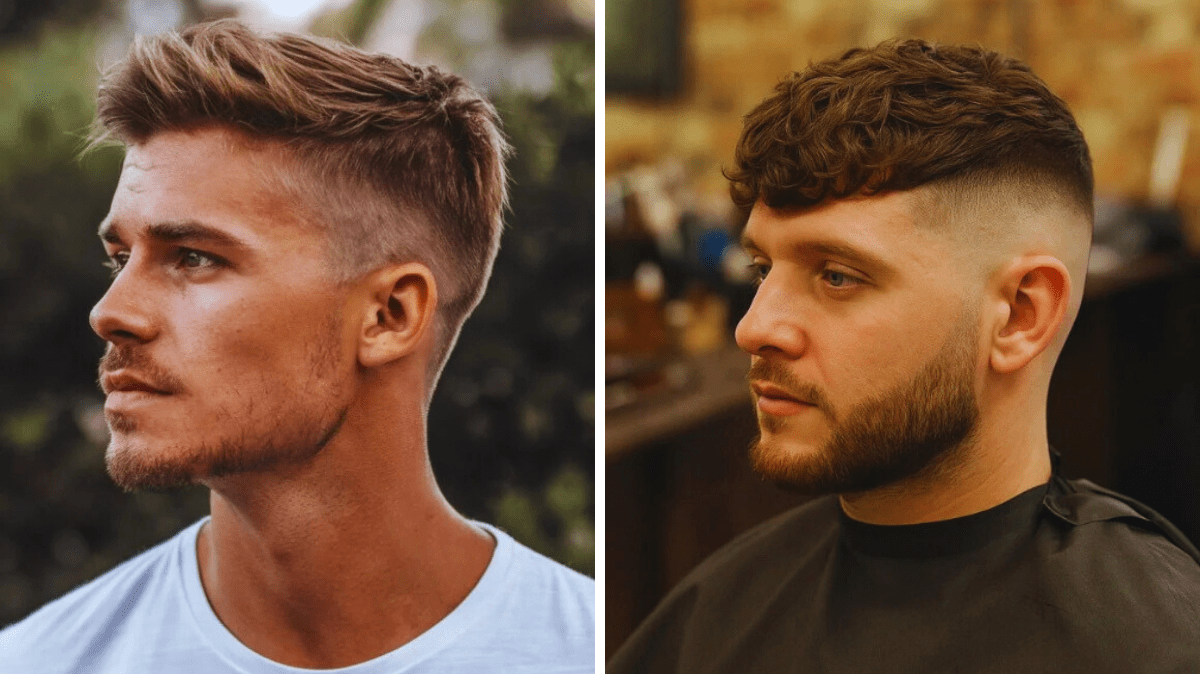

The undercut haircut has become one of the most iconic hairstyles of the last decade, embraced by both men and women for its bold, edgy aesthetic and versatile styling options. From runway shows to street style, the undercut has redefined how we perceive modern hair fashion. If you’ve ever wondered how to pull off this daring yet fashionable look, you’re in the right place. In this guide, we’ll dive deep into the undercut haircut, explore its variations, styling tips, outfit pairings, and everything in between to help you stay ahead of the style curve.
- What Is an Undercut Haircut?
- History of the Undercut Haircut
- Types of Undercut Haircuts
- How to Choose the Right Undercut for Your Face Shape
- Styling Tips for the Undercut Haircut
- Outfit Ideas to Complement Your Undercut
- Celebrity Inspiration: Undercut Haircuts on the Red Carpet
- Maintaining Your Undercut Haircut
- Popular Styling Variations for Different Hair Types
- Frequently Asked Questions (FAQs) About Undercut Haircuts
- Final Thoughts: Why the Undercut Haircut Remains a Top Trend
- You may also read
Whether you’re aiming for a subtle transformation or a dramatic statement, the undercut haircut offers endless possibilities. By the end of this post, you’ll have the knowledge to confidently choose, style, and maintain your undercut while keeping it aligned with your personal style and current fashion trends.
What Is an Undercut Haircut?
At its core, the undercut haircut is defined by its contrast: short or shaved sides with longer hair on top. Unlike traditional short hairstyles, the undercut emphasizes the difference between lengths, creating a sharp, clean look that exudes confidence and style. This versatile hairstyle works for almost all hair types, from straight and wavy to curly and coily textures.
The undercut gained popularity in the early 20th century but has evolved dramatically over the years. Today, it ranges from classic, understated versions to modern, edgy variations featuring intricate designs shaved into the sides. Its adaptability makes it perfect for casual, professional, or avant-garde looks, offering a fresh alternative to conventional hairstyles.
History of the Undercut Haircut
The undercut haircut has an intriguing history. Originating in the early 1900s, it was initially popular among working-class men due to its low-maintenance nature. The sides and back were clipped short for practicality, while the top remained longer, allowing for styling flexibility.
Fast forward to the 1920s and 1930s, the undercut became associated with urban fashion, often sported by dancers, musicians, and avant-garde artists. By the 1980s, it was revived in subcultures such as punk and rock, gaining recognition as a rebellious and edgy statement. Today, the undercut has transcended subcultures, appearing on fashion runways, celebrity red carpets, and everyday street style, making it one of the most versatile haircuts of our time.
Types of Undercut Haircuts
The beauty of the undercut haircut lies in its versatility. Here are some of the most popular variations:
1. Classic Undercut
A timeless choice where the sides are clipped short and the top is left longer for a sleek, clean look. Perfect for professional settings or casual styling.
2. Fade Undercut
This variation combines a fade with the undercut. The hair gradually shortens from the top to the bottom, creating a seamless, modern look.
3. Textured Undercut
Ideal for wavy or curly hair, the textured undercut emphasizes natural movement while maintaining a bold, stylish silhouette.
4. Undercut with Design
For those seeking an artistic edge, shaved designs on the sides—lines, patterns, or geometric shapes—make the haircut uniquely yours.
5. Long Top Undercut
This bold version keeps the top significantly longer than the sides, allowing for dramatic styling with volume, waves, or slick backs.
How to Choose the Right Undercut for Your Face Shape
Not all undercuts suit every face shape. Choosing the right style can enhance your natural features:
- Oval Face: Most undercuts work; try classic or textured styles.
- Round Face: Opt for volume on top to elongate the face, avoid overly short sides.
- Square Face: Angular undercuts complement strong jawlines.
- Heart-Shaped Face: Side-swept undercuts soften the forehead and highlight the eyes.
Styling Tips for the Undercut Haircut
Once you’ve chosen the perfect undercut, styling becomes key. Here’s how to keep your haircut looking fresh and fashionable:
- Use Quality Products: Pomade, wax, or styling cream adds texture and holds your look in place.
- Experiment with Parting: Middle or side parts create different vibes—classic or edgy.
- Play with Volume: Blow-drying adds height and dimension for a dynamic appearance.
- Embrace Messy Styles: Slightly tousled hair can give a relaxed, effortless look.
Pro Tip: Regular trims every 3–4 weeks maintain the sharp contrast that defines an undercut haircut.
Outfit Ideas to Complement Your Undercut
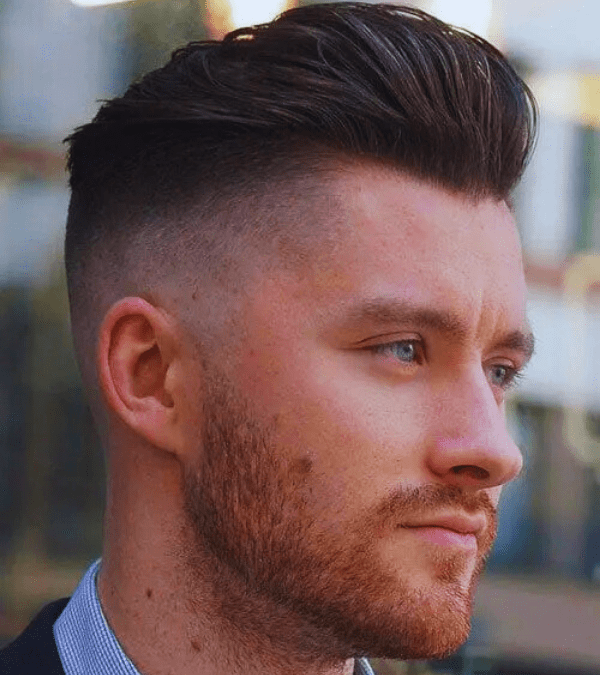
The undercut haircut pairs beautifully with a variety of fashion styles. Here’s how to match your haircut with outfits for a cohesive look:
- Streetwear: Hoodies, ripped jeans, and sneakers amplify the edgy vibe.
- Business Casual: Tailored blazers and chinos balance the boldness with sophistication.
- Bohemian: Loose shirts, textured fabrics, and layered accessories add contrast to the sharp haircut.
- Glamorous Night Out: Sleek leather jackets or structured dresses highlight the undercut’s modern elegance.
The key is to let your haircut and outfit speak in harmony, creating a polished yet effortless appearance.
Celebrity Inspiration: Undercut Haircuts on the Red Carpet
Many celebrities have embraced the undercut haircut, cementing its status in fashion culture:
- Miley Cyrus: Known for her edgy, gender-fluid undercut, combining shaved sides with longer, platinum hair on top.
- David Beckham: The classic fade undercut has been Beckham’s signature, pairing well with both casual and formal attire.
- Scarlett Johansson: Her undercut with side-swept bangs balances femininity and modernity.
- Zayn Malik: Often experiments with textured undercuts and designs, showcasing the haircut’s versatility.
These examples highlight how the undercut transcends gender norms and works across diverse personal styles.
Maintaining Your Undercut Haircut
Maintenance is crucial to keep your undercut looking sharp. Here’s a mini-guide to help you stay stylish:
- Regular Trims: Short sides require frequent cuts to maintain contrast.
- Daily Styling: Use heat tools and styling products cautiously to avoid damage.
- Hydration and Care: Apply nourishing shampoos and conditioners to protect longer top sections.
- Scalp Health: Don’t ignore the shaved areas—keep them clean and moisturized.
With proper care, your undercut haircut can remain stylish and bold for months.
Popular Styling Variations for Different Hair Types
Different hair types require different approaches:
- Straight Hair: Sleek and polished styles work best, using pomade or gel.
- Wavy Hair: Enhance natural waves with texturizing sprays for volume.
- Curly Hair: Undercuts can highlight curls on top, while keeping sides clean.
- Coily Hair: Fade undercuts create contrast and maintain shape while showcasing natural texture.
Frequently Asked Questions (FAQs) About Undercut Haircuts
How long does it take to grow an undercut back?
Depending on hair growth rate, it can take 6–12 months to return to an even length, though styles can be adapted during growth.
Can women wear undercuts?
Absolutely! The undercut is gender-neutral and can be styled in numerous feminine, edgy, or androgynous ways.
Do undercuts damage hair?
When properly maintained and styled with care, undercuts do not damage hair. Avoid excessive heat and harsh chemicals.
How often should I trim my undercut?
Every 3–4 weeks to maintain the sharp contrast between long top hair and short sides.
Can I add designs to my undercut?
Yes, artistic designs can be shaved into the sides to create a personalized, fashionable statement.
What products work best for styling an undercut?
Pomades, waxes, texturizing sprays, and lightweight gels are ideal for maintaining structure and movement.
Final Thoughts: Why the Undercut Haircut Remains a Top Trend
The undercut haircut is more than just a hairstyle—it’s a statement. Its versatility, history, and cultural significance make it a go-to choice for anyone looking to elevate their personal style. Whether you prefer classic elegance, edgy rebellion, or artistic expression, there’s an undercut variation to suit your taste.
With the right styling techniques, outfit coordination, and maintenance routine, the undercut can transform your overall look, making it both fashion-forward and timeless. If you’re ready to embrace this iconic style, now is the perfect time to experiment with length, texture, and design to create a haircut that’s uniquely yours.
Call to Action:
Share this post with friends looking for hair inspiration, or explore more styles to find your perfect undercut look!