
Healthy, thick hair doesn’t happen overnight. Many people struggle with slow growth, breakage, and dryness that prevent their hair from reaching its full potential. Using a hair mask to help hair grow can be a simple yet effective way to nourish your strands and support a healthier scalp.
- What Is Hair Mask to Help Hair Grow?
- Key Features of Hair Mask to Help Hair Grow
- Benefits of Hair Mask to Help Hair Grow
- How Does Hair Mask to Help Hair Grow Work?
- Important Things to Know About Hair Mask to Help Hair Grow
- Common Mistakes to Avoid
- Expert Tips and Best Practices
- Future Outlook of Hair Mask to Help Hair Grow
- Conclusion
- FAQs
A quality hair mask delivers moisture, proteins, and nutrients directly to your hair and scalp. While no product can magically make hair grow inches in a few days, the right ingredients can reduce damage, strengthen strands, and create the ideal environment for natural hair growth.
What Is Hair Mask to Help Hair Grow?
A hair mask to help hair grow is a deep-conditioning treatment designed to nourish both the hair and the scalp. Unlike regular conditioners, hair masks contain concentrated ingredients that penetrate deeper into the hair shaft. They often include oils, proteins, vitamins, and botanical extracts that target dryness and breakage.
Many hair growth masks focus on improving scalp health because healthy follicles are essential for stronger hair. Ingredients such as biotin, rosemary oil, castor oil, and keratin are commonly found in these products. These nutrients support the hair’s structure and help minimize damage over time.
It’s important to understand that hair masks don’t directly force hair to grow faster. Instead, they reduce breakage, improve moisture levels, and create healthier conditions that allow hair to reach its natural growth potential. Consistent use often results in fuller-looking and more manageable hair.
Key Features of Hair Mask to Help Hair Grow
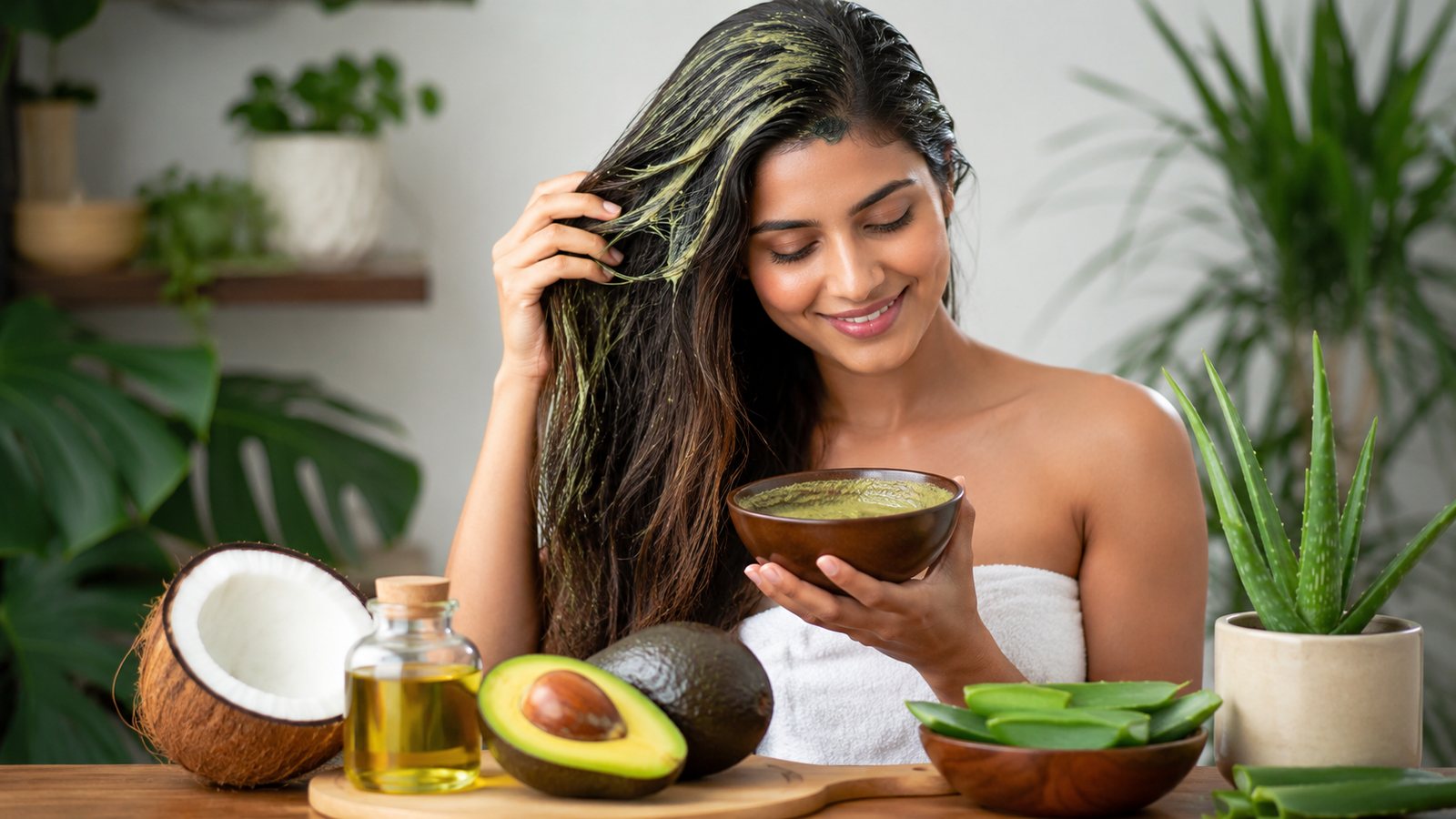
The best hair mask to help hair grow usually contains moisturizing ingredients that prevent dryness and split ends. Natural oils like coconut, argan, and avocado oil are popular because they hydrate the hair and improve elasticity. Better hydration often means less breakage and healthier growth.
Another key feature is protein support. Ingredients such as keratin, collagen, and amino acids help repair weak strands and reinforce the hair shaft. Stronger hair can retain length more effectively because it breaks less frequently during brushing and styling.
Many modern hair masks also include scalp-friendly ingredients. Peppermint oil, tea tree oil, and rosemary extract may improve scalp comfort and support healthy circulation. A healthy scalp environment gives hair follicles the conditions they need to function efficiently.
Benefits of Hair Mask to Help Hair Grow
One of the biggest benefits of using a hair mask to help hair grow is reduced hair breakage. Hair that snaps easily often appears to grow slowly because damaged ends continuously break off. Deep conditioning treatments strengthen the strands and improve resilience.
Another advantage is improved moisture retention. Dry hair is more prone to tangles, frizz, and split ends. By restoring hydration, a nourishing hair mask helps maintain smoothness and softness while supporting healthier-looking hair over time.
Hair masks can also improve scalp health. Many formulas contain antioxidants and soothing ingredients that calm irritation and reduce buildup. When the scalp is balanced and well-nourished, it can better support the hair growth cycle and overall hair quality.
How Does Hair Mask to Help Hair Grow Work?
A hair mask to help hair grow works by delivering concentrated nutrients directly to the hair and scalp. The ingredients coat and penetrate the hair shaft, helping repair damage caused by heat styling, coloring, and environmental stress.
Deep-conditioning ingredients restore moisture and improve elasticity. As a result, the hair becomes less prone to snapping and splitting. Over time, reduced breakage allows more hair length to be retained, giving the appearance of faster growth.
Many growth-focused masks also nourish the scalp with vitamins and botanical oils. Healthy follicles require proper nourishment to produce strong strands. Therefore, improving scalp conditions indirectly supports better hair growth and thickness.
Important Things to Know About Hair Mask to Help Hair Grow
Results from a hair mask to help hair grow take time and consistency. Hair typically grows about half an inch per month, and no cosmetic product can drastically change this natural rate. Patience is essential when adding a hair mask to your routine.
Choosing the right ingredients matters. Fine hair may benefit from lightweight formulas, while curly or coarse hair often needs richer ingredients such as shea butter and avocado oil. Selecting products that suit your hair type can improve results significantly.
It’s also important to remember that hair growth depends on several factors, including genetics, diet, hormones, and stress levels. A hair mask works best when combined with a balanced lifestyle and a gentle hair care routine.
Common Mistakes to Avoid
One common mistake is applying too much product. Excessive amounts can leave residue on the scalp and weigh down the hair. Using the recommended quantity usually provides better results and makes rinsing easier.
Another error is expecting overnight changes. A hair mask to help hair grow supports long-term hair health rather than providing instant length. Consistent weekly use often delivers the best improvements in texture and strength.
Many people also ignore scalp care. Applying products only to the hair lengths while neglecting the scalp can limit benefits. A healthy scalp is essential because it serves as the foundation for healthy hair growth.
Expert Tips and Best Practices
Use a hair mask one or two times per week for the best balance between nourishment and cleanliness. Leaving the mask on for the recommended time allows the ingredients to work effectively without causing buildup.
Massage your scalp gently when applying the mask. This simple step may improve blood flow and help distribute nourishing ingredients evenly. Additionally, scalp massage can be a relaxing part of your self-care routine.
Pair your hair mask with healthy habits such as eating protein-rich foods, managing stress, and limiting heat styling. A holistic approach often produces the most noticeable improvements in hair health and overall appearance.
| Feature | Description | Benefits | Drawbacks |
| Coconut Oil | Deep moisturizing ingredient | Reduces dryness and breakage | May feel heavy on fine hair |
| Castor Oil | Thick nourishing oil | Supports healthier-looking hair | Difficult to rinse |
| Biotin | Vitamin used in hair products | Strengthens weak strands | Limited evidence for topical growth |
| Keratin | Structural hair protein | Improves strength and elasticity | Excess use can cause stiffness |
| Rosemary Oil | Botanical extract | Supports scalp health | Can irritate sensitive skin |
| Shea Butter | Rich natural moisturizer | Excellent for curly hair | May weigh down thin hair |
Future Outlook of Hair Mask to Help Hair Grow
The beauty industry continues to develop advanced formulas that focus on scalp health and hair strengthening. Many brands now combine botanical ingredients with scientific research to create more targeted treatments.
Consumers are increasingly interested in natural and clean beauty products. As a result, ingredients such as rosemary oil, aloe vera, and rice water are becoming more common in hair masks designed for growth support.
Future products may include more personalized formulas tailored to specific hair types and concerns. Advances in scalp care and ingredient technology could lead to even more effective options for maintaining healthy and resilient hair.
Conclusion
Using a hair mask to help hair grow can be a valuable addition to your hair care routine. Although these treatments cannot dramatically speed up hair growth, they help reduce breakage, improve moisture, and create healthier conditions for stronger hair.
The key to success is consistency and choosing ingredients that match your hair’s needs. Combined with a healthy lifestyle and gentle hair care habits, the right hair mask to help hair grow can support longer, healthier, and more beautiful hair over time.
FAQs
Q1. Can a hair mask make hair grow faster?
A hair mask cannot change your natural growth rate. However, it can strengthen strands, reduce breakage, and improve scalp health. These benefits help your hair retain more length, making it appear to grow faster and healthier over time.
Q2. How often should I use a hair mask for hair growth?
Most experts recommend using a hair mask once or twice per week. The ideal frequency depends on your hair type and condition. Overusing a mask may lead to buildup, while consistent use provides the best nourishing benefits.
Q3. What ingredients are best in a hair mask to help hair grow?
Ingredients like rosemary oil, biotin, castor oil, keratin, coconut oil, and aloe vera are popular choices. These ingredients nourish the scalp and strengthen the hair shaft, helping reduce damage and support healthier hair growth conditions.
Q4. Should I apply a hair mask to my scalp?
Some masks are designed for both the scalp and hair lengths, while others are intended only for the strands. Always read the instructions carefully. Applying suitable products to the scalp can improve hydration and overall scalp health.
Q5. Is a homemade hair mask to help hair grow effective?
Homemade masks containing ingredients like avocado, honey, and coconut oil can improve moisture and softness. However, results vary depending on the ingredients and your hair type. Consistency and proper expectations are important for achieving noticeable improvements.
You May Also Read: Females Firsts