
Introduction
A homemade hair mask is one of the easiest and most affordable ways to improve your hair’s health without relying on expensive salon treatments. Using natural ingredients from your kitchen, you can deeply nourish your scalp, reduce dryness, and restore shine. Many people now prefer DIY hair care because it offers simple solutions with fewer harsh chemicals.
Whether your hair is dry, damaged, frizzy, or dull, the right homemade treatment can make a noticeable difference. Ingredients like coconut oil, honey, avocado, and yogurt contain nutrients that support healthy hair growth and moisture retention. Understanding how these masks work can help you choose the best recipe for your specific hair needs.
What Is Homemade Hair Mask?
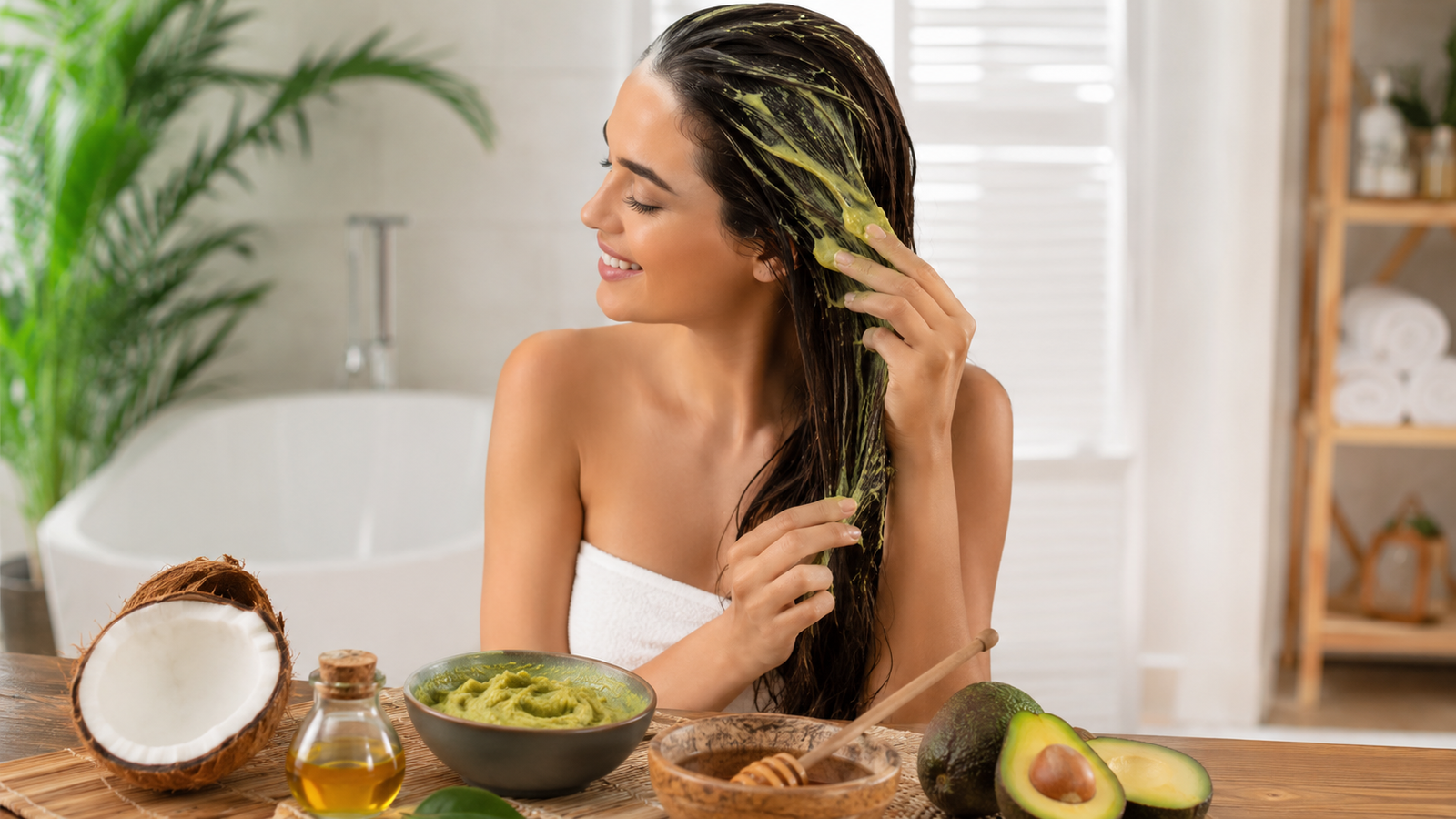
A homemade hair mask is a deep-conditioning treatment made from natural ingredients commonly found at home. Unlike regular conditioners, these masks are designed to remain on the hair longer, allowing nutrients and moisture to penetrate the hair shaft more effectively. Most recipes combine oils, fruits, and dairy products to address specific hair concerns.
People use homemade masks to improve hydration, repair damage, and enhance the appearance of their hair. Since ingredients can be customized, they are suitable for different hair types, including curly, straight, oily, and color-treated hair. Many individuals also appreciate the ability to avoid unnecessary additives and preservatives.
A homemade hair mask can target issues such as split ends, scalp dryness, and breakage. However, results often depend on consistency and ingredient selection. Choosing ingredients that match your hair’s needs is essential for achieving healthier and stronger strands over time.
Key Features of Homemade Hair Mask
One of the biggest features of a homemade hair mask is the use of natural ingredients. Coconut oil provides moisture, honey acts as a humectant, and eggs deliver protein that may strengthen weak hair. These ingredients work together to create a nourishing treatment without complex formulations.
Another key feature is customization. You can create a mask specifically for dry hair, oily scalps, dandruff, or damaged ends. This flexibility makes DIY treatments appealing because users can experiment and adapt recipes according to seasonal changes or hair concerns.
Affordability is also a major advantage. Most ingredients are inexpensive and already available in many kitchens. Instead of purchasing multiple hair products, a homemade approach allows people to maintain a simple and budget-friendly hair care routine.
Benefits of Homemade Hair Mask
Regular use of a homemade hair mask can significantly improve hair softness and manageability. Deep hydration helps reduce frizz and leaves hair looking smoother and shinier. For people with dry or chemically treated hair, this extra moisture can make styling much easier.
These masks may also support scalp health. Ingredients such as aloe vera and yogurt can soothe irritation while promoting a healthier environment for hair growth. Although they are not medical treatments, nourishing ingredients may contribute to stronger and healthier-looking hair over time.
Another benefit is reduced exposure to certain synthetic ingredients. Many commercial products contain fragrances and additives that can irritate sensitive scalps. Homemade recipes allow users to control exactly what goes into their hair care routine and avoid ingredients they prefer not to use.
How Does Homemade Hair Mask Work?
A homemade hair mask works by coating the hair shaft with moisture and nutrients. The ingredients remain on the hair for a period of time, allowing them to soften the cuticle and improve hydration. This process can make hair feel smoother and appear more vibrant.
Different ingredients perform different functions. Oils help seal moisture, proteins temporarily strengthen weakened strands, and humectants draw water into the hair. Combining these ingredients creates a treatment that addresses multiple concerns simultaneously.
The effectiveness of a homemade hair mask often depends on consistency and application. Applying the mask evenly and leaving it on for the recommended time allows the ingredients to perform their intended role. Regular treatments generally produce the most noticeable improvements.
Important Things to Know About Homemade Hair Mask
Not every ingredient works for every hair type. For example, heavy oils may be excellent for thick, dry hair but can weigh down fine hair. Understanding your hair’s texture and condition helps you select the most suitable ingredients and avoid unwanted results.
Patch testing is also important. Even natural ingredients can cause irritation or allergic reactions in some individuals. Applying a small amount of the mixture to the skin before full use can help prevent discomfort or scalp sensitivity.
Storage should also be considered because most homemade mixtures contain fresh ingredients. These masks are generally best used immediately after preparation. Storing them for long periods may reduce effectiveness and increase the risk of spoilage.
Common Mistakes to Avoid
One common mistake is leaving the mask on for too long. While deep conditioning can be beneficial, excessive exposure to certain ingredients may leave hair greasy or difficult to wash. Following recommended application times usually delivers better results.
Another mistake involves using ingredients that do not suit your hair type. Applying too much oil to naturally oily hair can worsen buildup, while excessive protein treatments may leave some hair types feeling stiff or brittle.
Many people also expect instant results after one treatment. Hair health typically improves gradually with consistent care. Using a homemade hair mask once a week and maintaining a balanced routine generally provides the best long-term benefits.
Expert Tips and Best Practices
Applying the mask to slightly damp hair often improves distribution and absorption. Dividing hair into sections ensures that every strand receives adequate coverage, especially for people with thick or curly hair.
Using gentle heat can also enhance the treatment. Wrapping the hair in a warm towel may help ingredients penetrate more effectively and create a spa-like experience at home. However, excessive heat should always be avoided.
Experts also recommend focusing on the ends if your hair is prone to dryness and damage. Since the ends are the oldest part of the hair, they usually require extra moisture and nourishment to remain healthy and manageable.
| Feature | Description | Benefits | Drawbacks |
| Coconut Oil Mask | Deep moisturizing treatment | Reduces dryness and frizz | Can be heavy for fine hair |
| Honey Mask | Natural humectant | Adds shine and softness | Sticky application |
| Avocado Mask | Rich in healthy fats | Improves hydration | Requires thorough rinsing |
| Egg Mask | Protein-rich treatment | Strengthens weak strands | Strong odor for some users |
| Yogurt Mask | Contains proteins and probiotics | Soothes scalp and conditions hair | Short shelf life |
| Aloe Vera Mask | Cooling and hydrating | Calms irritated scalp | Results may vary by hair type |
Future Outlook of Homemade Hair Mask
The demand for natural beauty products continues to grow, and homemade treatments remain popular among consumers seeking simpler routines. Many people are becoming more interested in ingredient transparency and sustainable beauty practices.
Social media and beauty blogs have also contributed to the popularity of DIY hair care. As information becomes more accessible, users are experimenting with personalized recipes and sharing their experiences with natural ingredients.
In the future, homemade hair mask recipes will likely remain an important part of holistic beauty routines. Combining traditional remedies with modern hair care knowledge may encourage even more people to embrace natural solutions for maintaining healthy hair.
Conclusion
A homemade hair mask offers a practical and affordable way to nourish your hair using simple ingredients found at home. Whether you need hydration, improved shine, or damage repair, there is a recipe suited to your specific hair type.
By choosing the right ingredients and applying treatments consistently, you can enjoy healthier and more manageable hair. A homemade hair mask can become a valuable addition to any hair care routine when used thoughtfully and regularly.
FAQs
Q1. What is the best homemade hair mask for dry hair?
A mixture of coconut oil and honey is one of the best treatments for dry hair. It deeply moisturizes the hair shaft, reduces frizz, and leaves strands feeling softer and more manageable after regular use.
Q2. How often should I use a homemade hair mask?
Most people benefit from applying a homemade hair mask once or twice each week. Overuse can sometimes lead to buildup, especially with oil-based recipes, so moderation is generally recommended.
Q3. Can a homemade hair mask help damaged hair?
Yes. Ingredients such as avocado, eggs, and yogurt provide moisture and nutrients that may improve the appearance of damaged hair and reduce dryness and breakage when used consistently.
Q4. Should I apply a hair mask to wet or dry hair?
Slightly damp hair is usually ideal because it allows the mask to spread evenly and absorb more effectively. Completely soaking wet hair may dilute the ingredients and reduce their effectiveness.
Q5. Can I leave a homemade hair mask overnight?
Some oil-based masks can be left overnight, but many recipes work well within 20 to 40 minutes. Leaving certain ingredients on too long may create buildup or make hair difficult to rinse.
You May Also Read: Females Firsts