
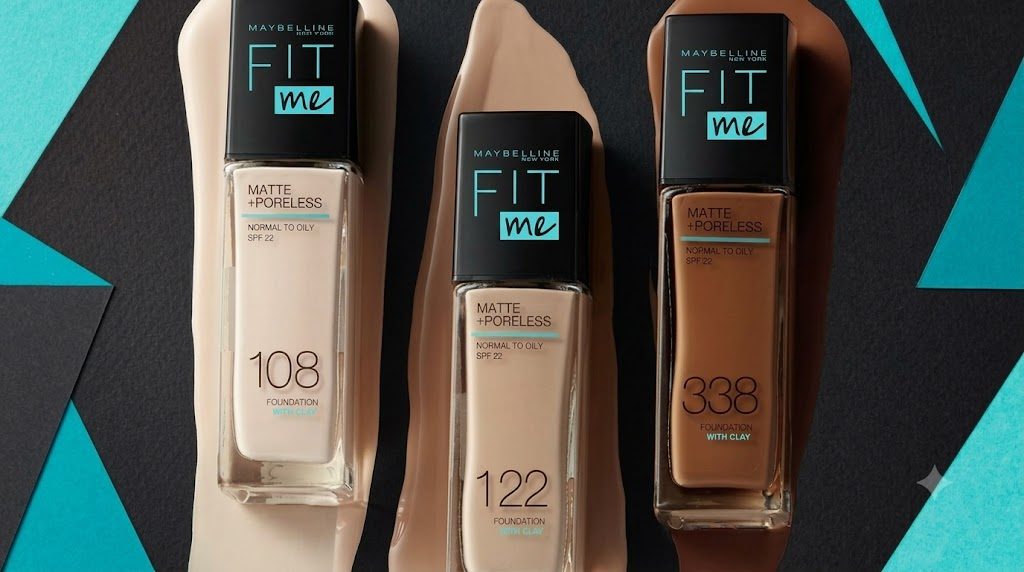

Finding the best foundation can completely transform your makeup routine. The right formula doesn’t just cover imperfections—it enhances your natural beauty, creates an even complexion, and provides the confidence that comes with healthy-looking skin. With hundreds of options available, choosing the right one can feel overwhelming.
Whether you have oily, dry, combination, sensitive, or mature skin, there’s a best foundation designed to meet your specific needs. This guide explains everything you need to know, from finishes and coverage levels to application techniques and expert recommendations, helping you make an informed decision.
What Is Best Foundation?
The best foundation is a complexion product that creates an even skin tone while matching your unique skin type, undertone, and desired finish. Rather than simply hiding blemishes, today’s foundations often include skincare ingredients like hyaluronic acid, niacinamide, and SPF to improve overall skin health. Choosing the correct foundation starts with understanding your individual skin concerns.
Foundation comes in many forms, including liquid, powder, cream, stick, serum, and cushion formulas. Each type serves a different purpose depending on your lifestyle and makeup preferences. For example, liquid foundations typically offer the greatest versatility, while powder formulas work well for oily skin and quick touch-ups throughout the day.
The best foundation should blend seamlessly into your skin without appearing heavy or cakey. It should remain comfortable throughout the day, resist oxidation, and maintain consistent color. Additionally, selecting the right shade and undertone is just as important as choosing the formula itself, ensuring the makeup looks natural in every lighting condition.
Key Features of Best Foundation
When evaluating the best foundation, coverage is one of the most important features to consider. Sheer coverage creates a natural appearance, medium coverage balances skin tone while allowing freckles to show, and full coverage effectively conceals discoloration, acne scars, and redness. Your daily makeup goals should determine which level suits you best.
Finish also plays a significant role in achieving your desired look. Matte foundations help control excess oil and reduce shine, while dewy finishes create radiant, healthy-looking skin. Satin finishes provide a balanced appearance that works well across most skin types, making them one of the most popular choices for everyday wear.
Long-lasting performance, lightweight texture, shade range, and skin-friendly ingredients distinguish the best foundation from average products. Modern formulas often include antioxidants, moisturizing ingredients, and oil-control technology that help maintain a fresh appearance throughout long workdays without requiring constant touch-ups.
Benefits of Best Foundation
Using the best foundation creates a smooth canvas for the rest of your makeup. Blush, bronzer, contour, and highlighter apply more evenly when your complexion has been properly prepared. As a result, your entire makeup look appears more polished and professional without requiring advanced application skills.
Many modern foundations provide skincare benefits beyond cosmetic coverage. Hydrating ingredients help reduce dryness, while oil-absorbing technologies minimize shine. Some formulas even include broad-spectrum SPF protection, antioxidants, and soothing botanical extracts that support healthier skin with continued use.
The psychological benefits are equally important. Feeling confident about your complexion often encourages greater self-confidence in both professional and social settings. While makeup should never define self-worth, the best foundation can help many people feel more comfortable and confident in their everyday appearance.
How Does Best Foundation Work?
The best foundation works by depositing finely milled pigments across the skin to create an even complexion while minimizing the appearance of imperfections. Advanced polymers allow the product to adhere smoothly without settling heavily into pores or fine lines, producing a more natural finish.
Different formulations interact uniquely with skin oils and moisture levels. Hydrating foundations use humectants and emollients to maintain softness, whereas matte formulas contain oil-absorbing powders that reduce shine. Understanding these differences helps you select a product that complements your skin instead of fighting against it.
Proper preparation dramatically improves foundation performance. Cleansing, moisturizing, and applying primer when needed allow foundation to glide smoothly and last longer. Blending with a brush, sponge, or fingertips ensures an even application, preventing streaks while maintaining a realistic skin-like appearance.
Important Things to Know About Best Foundation
Choosing the correct undertone is often more important than selecting the perfect depth. Cool undertones typically have pink or blue hues, warm undertones feature golden or yellow tones, and neutral undertones combine elements of both. Testing shades along your jawline usually provides the most accurate match.
Lighting significantly affects how foundation appears. Store lighting may distort colors, making it essential to check your foundation in natural daylight whenever possible. Furthermore, allowing the product to sit for several minutes helps reveal whether oxidation causes the shade to become darker after application.
The best foundation should also match seasonal skin changes. Many people naturally become darker during summer and lighter during winter. Having two close shades available allows easy customization throughout the year, ensuring your complexion remains consistent regardless of seasonal variations.
Common Mistakes to Avoid
One of the biggest mistakes people make is choosing foundation solely based on online reviews without considering their own skin type. A product that performs beautifully for oily skin may not work well for someone with dry or mature skin. Personal needs should always come before popularity.
Applying excessive product can make even the best foundation appear unnatural. Building thin layers gradually creates better coverage while maintaining a skin-like finish. Additionally, forgetting to blend around the jawline, ears, and hairline often results in noticeable makeup lines that reduce realism.
Skipping skincare preparation is another common issue. Dry patches, excess oil, or dehydration prevent foundation from applying evenly. A clean, moisturized face creates the ideal surface for makeup, improving longevity and reducing the likelihood of patchiness throughout the day.
Expert Tips and Best Practices
Professional makeup artists recommend matching foundation to your neck rather than your hand. Since hand pigmentation often differs significantly from facial skin, testing along the jawline provides a much more accurate color match that blends naturally into your overall complexion.
Less is often more when applying the best foundation. Start with a small amount at the center of your face and blend outward using gentle motions. This technique creates the most natural finish while preventing unnecessary product buildup around the edges of your face.
Setting your foundation strategically improves wear time without sacrificing radiance. Instead of applying powder everywhere, lightly set areas that produce excess oil, such as the T-zone. Meanwhile, keeping the outer portions of the face slightly dewy preserves dimension and prevents a flat appearance.
| Feature | Description | Benefits | Drawbacks |
| Liquid Foundation | Versatile formula for most skin types | Easy blending and natural finish | May require setting powder |
| Powder Foundation | Pressed or loose powder formula | Excellent oil control | Can emphasize dry patches |
| Cream Foundation | Rich, highly pigmented texture | Great for dry skin and full coverage | May feel heavier |
| Stick Foundation | Portable solid formula | Convenient for travel and touch-ups | Limited shade selection in some brands |
| Serum Foundation | Lightweight skincare-infused formula | Comfortable, natural appearance | Usually offers lighter coverage |
| Matte Foundation | Oil-controlling finish | Long-lasting and shine-free | Can appear dry on dehydrated skin |
Future Outlook of Best Foundation
The future of the best foundation continues moving toward skincare-focused innovation. Manufacturers increasingly combine makeup with active ingredients such as peptides, ceramides, probiotics, and advanced hydration technologies, allowing consumers to improve their skin while wearing makeup daily.
Artificial intelligence and digital shade-matching tools are also transforming how consumers purchase foundation. Virtual try-on technology, personalized recommendations, and improved online color matching reduce uncertainty and improve shopping convenience for customers purchasing products online.
Sustainability remains another major trend. Many beauty brands now prioritize refillable packaging, cruelty-free formulations, vegan ingredients, and environmentally responsible manufacturing. As consumer expectations evolve, future foundations will likely balance exceptional performance with stronger environmental responsibility.
Conclusion
Choosing the best foundation isn’t about buying the most expensive product—it’s about selecting a formula that complements your skin type, undertone, lifestyle, and desired finish. By understanding coverage, finish, ingredients, and proper application techniques, you can achieve consistently beautiful results.
Ultimately, the best foundation enhances your natural features instead of masking them. Invest time in finding your ideal shade, prepare your skin properly, and apply foundation thoughtfully. With the right approach, you’ll enjoy a flawless, comfortable complexion that looks fresh from morning until night.
FAQs
Q1. How do I choose the best foundation for my skin type?
Start by identifying whether your skin is oily, dry, combination, sensitive, or mature. Then select a formula designed for those needs. Matte foundations suit oily skin, while hydrating or serum foundations generally perform better on dry or mature complexions for comfortable all-day wear.
Q2. Should foundation match my face or my neck?
For the most natural appearance, match foundation to your jawline so it blends seamlessly into your neck. This creates an even complexion without noticeable color differences, especially in natural daylight where mismatched shades become much more visible.
Q3. What is the best foundation for everyday use?
The best everyday foundation is usually lightweight, breathable, and buildable. A medium-coverage liquid foundation with a natural or satin finish works well for most people because it provides enough coverage while still allowing your skin to look fresh and realistic.
Q4. Why does my foundation look cakey after a few hours?
Foundation often becomes cakey because of excess product, inadequate skin preparation, or incompatible skincare. Applying thin layers, moisturizing properly, and using products suited to your skin type can significantly improve wear time and maintain a smoother finish throughout the day.
Q5. Can the best foundation improve my skin over time?
Many modern foundations contain beneficial ingredients such as hyaluronic acid, niacinamide, antioxidants, and SPF. While they aren’t replacements for skincare routines, these formulas can help hydrate, protect, and support healthier-looking skin when used consistently alongside proper skincare.
You May Also Read: Females Firsts