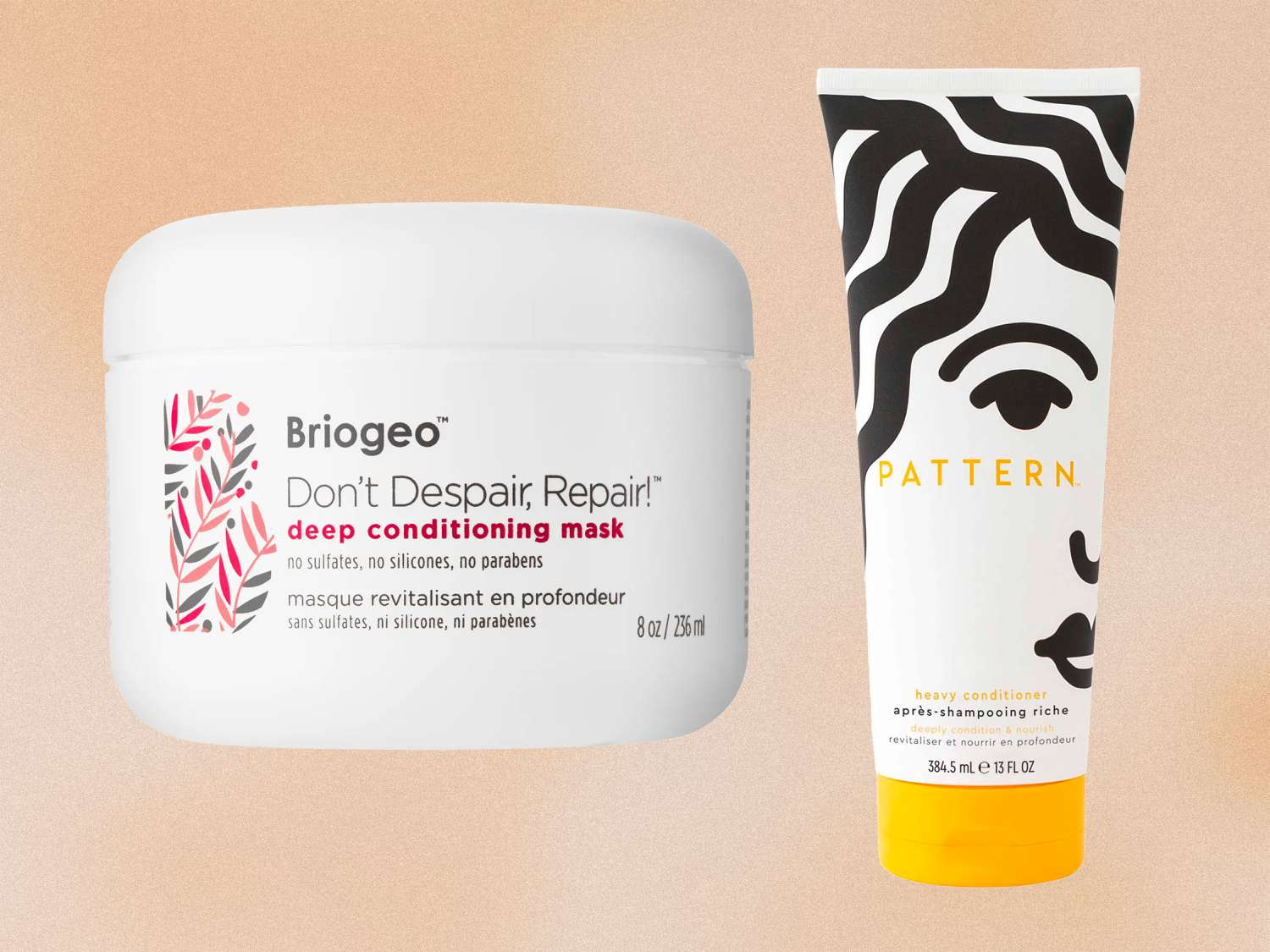

If your hair feels dry, brittle, or dull no matter what shampoo you use, the missing step is probably a proper conditioning routine. The best deep conditioners work far beyond ordinary rinse-out formulas, penetrating the hair shaft to repair damage from heat styling, coloring, and everyday environmental stress. They restore moisture balance and give strands a noticeably smoother, healthier feel after just one or two applications.
Choosing the right product, however, isn’t always simple. With so many formulas on shelves today, it helps to understand what actually makes a deep conditioner effective. This guide breaks down everything you need to know, from key ingredients to application techniques, so you can confidently pick a treatment that truly transforms your hair’s texture and strength.
What Are the Best Deep Conditioners?
The best deep conditioners are intensive hair treatments designed to sit on the hair for an extended period, allowing nutrients, proteins, and moisturizing agents to absorb deeply into the cortex. Unlike standard conditioners that coat the surface briefly, these formulas are engineered to repair internal damage. Consequently, they deliver longer-lasting softness, reduced frizz, and improved elasticity, especially for hair that has been chemically treated or exposed to frequent heat styling.
Most deep conditioning treatments contain a blend of humectants, emollients, and proteins such as keratin or hydrolyzed silk. These ingredients work together to attract moisture, seal the cuticle, and rebuild weakened bonds within the strand. As a result, hair becomes more resistant to breakage over time, and the overall texture feels noticeably richer and more manageable after regular use.
Because hair types vary so widely, the best deep conditioners aren’t one-size-fits-all. Curly and coily textures typically need heavier, butter-based formulas, while fine or oily hair benefits from lighter, protein-focused options. Understanding your hair’s specific needs before shopping ensures you select a treatment that actually addresses your concerns rather than simply following trends or packaging claims.
Key Features of Deep Conditioners
Effective deep conditioners share several defining characteristics that separate them from everyday conditioning products. First, they contain a higher concentration of active ingredients, meaning less product often achieves greater results. This concentrated formula is precisely why manufacturers recommend leaving the treatment on for ten to thirty minutes rather than rinsing immediately, giving the ingredients time to fully penetrate the hair shaft.
Another defining feature is the balance between moisture and protein. The best deep conditioners are carefully formulated to hydrate without overloading strands with protein, which can otherwise cause stiffness or brittleness. Many premium formulas also include heat-activated technology, meaning applying gentle warmth, such as a warm towel or shower cap, significantly boosts ingredient absorption and enhances overall treatment effectiveness.
Packaging and texture also matter more than people realize. Rich, creamy consistencies tend to indicate higher oil and butter content, ideal for thick or curly hair, while gel-like textures often suit finer strands needing lightweight hydration. Additionally, many top-rated products are now formulated without sulfates, parabens, or silicones, appealing to consumers who prioritize cleaner, more sustainable hair care ingredients.
Benefits of Using the Best Deep Conditioners
Regularly using the best deep conditioners delivers visible, long-term improvements to hair health that ordinary conditioners simply cannot match. Strands become measurably softer and shinier because the treatment smooths the cuticle layer, reflecting light more evenly. Furthermore, consistent use strengthens the hair’s internal structure, reducing split ends and breakage caused by daily manipulation, brushing, and styling tools.
Beyond aesthetics, deep conditioning treatments genuinely restore moisture balance in hair that’s been stripped by chlorine, sun exposure, or harsh shampoos. This is particularly valuable for color-treated or chemically processed hair, which tends to be more porous and prone to dryness. Hydrated hair also styles more easily, meaning less frizz, better curl definition, and reduced reliance on heat tools that cause further damage.
There’s also a noticeable scalp benefit that’s often overlooked. Many formulas include soothing botanicals like aloe vera or tea tree oil, which calm irritation and support a healthier growth environment. Consequently, people who deep condition weekly often report faster-looking hair growth, simply because breakage decreases and existing strands retain their length instead of snapping off prematurely.
How Do Deep Conditioners Work?
Deep conditioners work through a process called cuticle penetration, where the outer protective layer of the hair temporarily opens under warmth and moisture, allowing active ingredients to enter the cortex. Once inside, proteins bind to damaged areas along the strand, effectively patching gaps left by chemical processing or mechanical stress. This is why warmth, whether from a hooded dryer or warm towel, dramatically improves results.
After the treatment period, typically ranging from ten minutes to overnight for intensive masks, the cuticle closes back down as hair cools and dries. This sealing action locks in the moisture and nutrients absorbed during application, which explains why hair feels smoother and appears shinier immediately after rinsing. The longer the product remains on the hair within recommended limits, the more thorough this restorative process becomes.
Different formulas target different repair mechanisms. Protein-based deep conditioners rebuild structural bonds within damaged strands, while moisture-based formulas focus on replenishing water content lost through dryness. The most effective treatments combine both approaches, addressing structural weakness and hydration simultaneously so hair emerges stronger, softer, and considerably easier to manage after every wash.
Important Things to Know About Deep Conditioners
Not every hair type requires the same deep conditioning frequency, and applying treatments too often can actually backfire. Fine or low-porosity hair, for instance, may become weighed down or greasy with weekly heavy treatments, while thick or high-porosity hair often needs conditioning two or three times per week to maintain adequate moisture levels. Knowing your hair’s porosity helps prevent overdoing it.
It’s also worth understanding that protein overload is a real concern. Using protein-heavy deep conditioners too frequently can leave hair feeling stiff, straw-like, and more prone to snapping, particularly for those with naturally protein-sensitive strands. Alternating between moisturizing and protein treatments, rather than relying exclusively on one type, tends to produce more balanced, resilient results over the long term.
Temperature and application method significantly influence outcomes as well. Cold water rinses after treatment help seal the cuticle and lock in shine, while warm application during the conditioning phase opens the cuticle for better absorption. Additionally, applying deep conditioner to damp rather than soaking wet hair allows for better ingredient concentration and more effective penetration into each strand.
Common Mistakes to Avoid
One of the most frequent mistakes people make is applying deep conditioner to dry hair straight from the shower without properly detangling first. Tangled strands prevent even distribution, meaning some sections receive intensive treatment while others miss out entirely. Always detangle gently with a wide-tooth comb before application to ensure the product reaches every part of the hair evenly and thoroughly.
Another common error involves rinsing too quickly. Many people apply the treatment and rinse within a minute or two, which defeats the entire purpose of deep conditioning. Since penetration takes time, rushing the process means you’re essentially using an expensive rinse-out conditioner without gaining any of the deeper restorative benefits the formula was actually designed to provide.
Skipping heat application is another overlooked misstep. Without warmth, the cuticle stays partially closed, limiting how much product actually absorbs into the hair shaft. Similarly, overloading hair with too much product can create buildup that weighs strands down and requires clarifying shampoo to remove, ultimately undoing much of the softness and shine the treatment was meant to deliver.
Expert Tips and Best Practices
Hair stylists consistently recommend sectioning hair before applying any deep conditioning treatment. Working in four to six sections ensures thorough, even coverage from roots to ends, rather than concentrating product in one area while neglecting others. This simple technique dramatically improves results and prevents the frustrating experience of uneven softness or shine after rinsing the treatment out.
Timing also matters more than most people realize. While instructions often suggest ten to fifteen minutes, adding gentle heat through a shower cap or warm towel can safely extend effectiveness within the same timeframe. For deeper repair, overnight masks formulated specifically for extended wear offer intensive results, though they should be reserved for particularly damaged or extremely dry hair rather than everyday use.
Finally, always follow deep conditioning with a cool water rinse to seal the cuticle and maximize shine. Pairing your treatment with a leave-in product afterward helps lock in hydration throughout the day. Consistency, rather than occasional intensive sessions, ultimately produces the most noticeable, long-lasting improvements in hair strength, texture, and overall manageability over time.
| Feature | Description | Benefits | Drawbacks |
| Protein-based formula | Contains keratin, silk, or wheat protein to rebuild strand structure | Strengthens weak, damaged hair and reduces breakage | Can cause stiffness if overused, especially on fine hair |
| Moisture-based formula | Focuses on humectants like glycerin and hyaluronic acid | Deeply hydrates dry, brittle strands | Less effective for structural damage repair |
| Overnight mask | Designed for extended wear while sleeping | Delivers intensive, long-term repair | Requires more time commitment and pillow protection |
| Heat-activated treatment | Formulated to respond to warmth for deeper absorption | Boosts penetration and effectiveness significantly | Requires additional tools like a hooded dryer or cap |
| Lightweight gel conditioner | Thin, water-based texture for fine or oily hair | Hydrates without weighing hair down | May not be intensive enough for very damaged hair |
| Butter-based treatment | Rich formula with shea or cocoa butter | Ideal for thick, curly, or coily textures | Can feel heavy on fine or straight hair types |
Future Outlook of Deep Conditioners
The hair care industry is increasingly shifting toward personalized formulations, and deep conditioners are no exception to this trend. Brands are investing in AI-driven hair diagnostics that recommend specific treatments based on porosity, density, and damage level. This move toward customization suggests future products will be tailored more precisely to individual hair needs rather than relying on broad, generalized formulas.
Sustainability is also reshaping how these products are made. Consumers increasingly favor waterless or concentrated formulas that reduce plastic packaging and environmental impact. Expect to see more refillable containers, biodegradable ingredients, and plant-derived proteins replacing traditional silicone-heavy formulations as brands respond to growing demand for cleaner, more environmentally responsible hair care solutions.
Additionally, ingredient innovation continues to accelerate, with fermented actives, peptides, and bioengineered proteins entering mainstream formulations. These advanced ingredients promise deeper, faster-acting repair compared to traditional botanical extracts. As research progresses, the best deep conditioners of the future will likely combine scientific precision with sustainable sourcing, offering more effective results with a considerably smaller environmental footprint.
Conclusion
Finding the best deep conditioners for your hair ultimately comes down to understanding your unique texture, porosity, and damage level, then selecting a formula that addresses those specific needs. Whether you gravitate toward protein-rich treatments, moisture-focused masks, or lightweight gels, consistency and proper application technique matter just as much as the product itself when it comes to achieving real results.
As the industry continues evolving toward personalized, sustainable formulations, consumers have more options than ever to build an effective conditioning routine. By avoiding common mistakes, following expert application tips, and choosing treatments suited to your hair’s condition, you’ll notice stronger, shinier, and more manageable hair within just a few consistent applications.
FAQs
Q1. How often should I use a deep conditioner? Most hair types benefit from deep conditioning once or twice weekly. Fine or low-porosity hair may need less frequent treatment, while thick, curly, or damaged hair often requires two to three sessions weekly for optimal moisture and repair.
Q2. Can deep conditioners repair split ends? Deep conditioners can temporarily smooth split ends and reduce their appearance by sealing the cuticle. However, they cannot permanently fix already-split strands. Trimming remains the only true solution for eliminating split ends completely.
Q3. What’s the difference between conditioner and deep conditioner? Regular conditioner coats hair briefly for surface smoothness, while deep conditioners penetrate the cortex over an extended time. This deeper absorption delivers more intensive repair, hydration, and lasting strength compared to standard rinse-out formulas.
Q4. Should I apply deep conditioner to my scalp? Generally, focus deep conditioner from mid-length to ends, where damage concentrates. Applying heavy treatments directly to the scalp can cause buildup or excess oiliness, particularly for those with naturally oily roots.
Q5. Are the best deep conditioners suitable for color-treated hair? Yes, many best deep conditioners are specifically formulated for color-treated hair, helping replenish moisture lost during chemical processing while protecting vibrancy. Look for sulfate-free formulas designed to preserve color longevity.
You May Also Read: Females Firsts