
If your face turns into a shine factory by noon, you’ve probably wondered whether skipping moisturizer altogether might solve the problem. It won’t. The right moisturizer for oily skin actually helps balance oil production instead of adding to it, and dermatologists consistently point to hydration as a key step that oily skin types tend to skip by mistake.
- What Is Moisturizer for Oily Skin?
- Key Features of Moisturizer for Oily Skin
- Benefits of Moisturizer for Oily Skin
- How Does Moisturizer for Oily Skin Work?
- Important Things to Know About Moisturizer for Oily Skin
- Common Mistakes to Avoid
- Expert Tips and Best Practices
- Future Outlook of Moisturizer for Oily Skin
- Conclusion
- FAQs
This guide breaks down exactly what to look for, which ingredients matter, and how to build a routine that keeps shine, clogged pores, and breakouts in check. Whether you’re new to skincare or rebuilding a routine that hasn’t worked, you’ll find practical, expert-backed advice here that goes beyond generic product lists.
What Is Moisturizer for Oily Skin?
A moisturizer for oily skin is a lightweight, typically oil-free formula designed to hydrate the skin without contributing extra grease or clogging pores. Unlike heavier creams made for dry skin, these products use humectants and gentle emollients to lock in moisture while allowing the skin to breathe. The goal isn’t to eliminate oil entirely, since some sebum is healthy, but to keep hydration levels steady so skin doesn’t overcompensate by producing even more.
Many people with oily skin assume moisturizing will worsen shine, but the opposite is often true. When skin becomes dehydrated, it can trigger increased sebum production as a defense mechanism. Consequently, a well-formulated moisturizer actually helps regulate oil output over time. This is why dermatologists frequently emphasize hydration as part of any acne-prone or oily skincare routine, rather than treating it as optional.
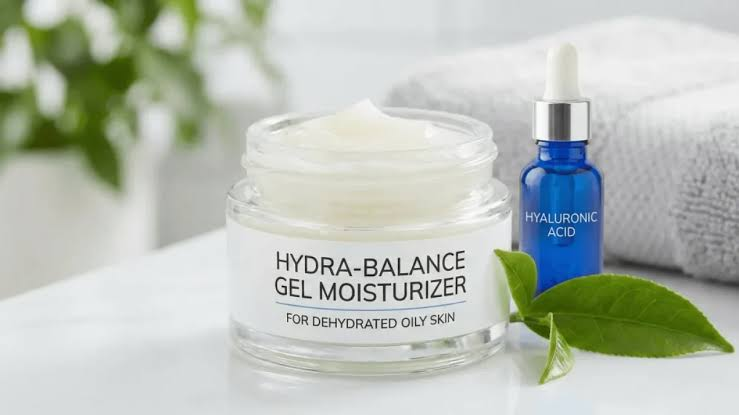
Ingredients such as hyaluronic acid, niacinamide, and glycerin are common in these formulas because they hydrate without adding oil. Meanwhile, occlusive ingredients like heavy petrolatum or mineral oil are usually minimized or excluded. As a result, the texture tends to feel light, absorb quickly, and leave a matte or semi-matte finish rather than a greasy film sitting on top of the skin.
Key Features of Moisturizer for Oily Skin
The most effective formulas share a few defining characteristics that set them apart from standard moisturizers. First, they’re typically labeled “oil-free” or “non-comedogenic,” meaning they’re formulated not to clog pores. This distinction matters because clogged pores are often the root cause of blackheads and breakouts in oily skin types, so ingredient choice plays a bigger role than most people realize.
Texture is another defining feature. Gel-based and lightweight lotion formulas absorb faster than thick creams, which is particularly useful during humid weather or warmer months when skin already feels congested. Additionally, many oily-skin moisturizers include mattifying agents like silica or kaolin clay, which absorb excess surface oil throughout the day without stripping the skin of essential moisture.
Finally, ingredient lists often include niacinamide, a well-studied compound shown to help regulate sebum production while also calming redness. Salicylic acid sometimes appears in these formulas too, gently exfoliating inside pores to prevent buildup. Together, these features create a moisturizer that hydrates, controls shine, and supports clearer skin simultaneously, rather than addressing only one concern at a time.
Benefits of Moisturizer for Oily Skin
Using the right moisturizer consistently offers benefits that extend well beyond simple hydration. For one, it helps maintain the skin’s protective barrier, which is essential for keeping irritants, bacteria, and pollutants out. A compromised barrier can actually increase oiliness and sensitivity, so strengthening it often leads to calmer, more balanced skin over time rather than a temporary fix.
Another significant benefit is improved makeup application. Skin that’s properly hydrated but not greasy provides a smoother canvas, helping foundation and concealer glide on evenly and last longer throughout the day. Because oily skin without moisture can look patchy or cause makeup to slide off by midday, this step often becomes a game changer for anyone dealing with touch-up frustration.
Long-term use also supports a more even skin tone and texture. Ingredients like niacinamide and antioxidants found in many of these moisturizers help fade post-acne marks and protect against environmental damage. Therefore, consistent use doesn’t just manage oil in the moment; it contributes to healthier-looking skin overall, which is something oily skin types often struggle to achieve with harsher, drying products.
How Does Moisturizer for Oily Skin Work?
These moisturizers work primarily through a combination of humectants, lightweight emollients, and oil-regulating ingredients. Humectants like hyaluronic acid and glycerin draw water into the skin’s outer layer, providing hydration without adding heaviness. This process signals to the skin that it has enough moisture, which can reduce the compensatory oil production that often occurs when skin feels stripped or dehydrated.
At the same time, mattifying ingredients such as silica microspheres or clay absorb surface oil as it appears throughout the day. This dual action, hydrating below the surface while managing shine above it, is what separates a good oily-skin formula from a generic moisturizer. Meanwhile, niacinamide works on a deeper level by helping regulate the activity of sebaceous glands, gradually reducing excess oil production over weeks of consistent use.
Absorption speed also plays a role in how these products function. Lightweight textures penetrate quickly, meaning they don’t sit on the surface long enough to mix with natural oils and create a greasy layer. Instead, the product is absorbed, hydration is delivered, and any excess ingredients evaporate or get absorbed into fabric or tissue, leaving behind a finish that feels clean rather than slick or heavy.
Important Things to Know About Moisturizer for Oily Skin
Not all oily skin is the same, and that matters when choosing a product. Some people have oily but dehydrated skin, meaning it lacks water despite having plenty of oil. Others have oily and acne-prone skin, which benefits from formulas containing salicylic acid or niacinamide. Understanding which category you fall into helps narrow down the right formula instead of relying on trial and error alone.
It’s also worth knowing that “oil-free” doesn’t always mean lightweight. Some oil-free products still contain heavy silicones or waxes that can feel occlusive on oily skin, especially in warm climates. Reading the full ingredient list, rather than relying solely on front-of-bottle claims, gives a clearer picture of how a product will actually perform once applied to your specific skin type.
Additionally, seasonal changes affect how oily skin behaves. Many people need a slightly richer formula in winter when indoor heating dries out the air, then switch to a gel-based option in summer. Recognizing that your skin’s needs shift throughout the year, rather than assuming one product will work indefinitely, leads to better results and fewer unexpected breakouts or dry patches.
Common Mistakes to Avoid
One of the most frequent mistakes is skipping moisturizer entirely out of fear it will worsen shine. This often backfires, since dehydrated skin tends to produce more oil to compensate. Instead of avoiding moisturizer, choosing a lightweight, non-comedogenic formula addresses the root issue without contributing to breakouts, which is a distinction many people overlook when building their routine.
Another common error involves layering too many heavy products, such as thick sunscreen followed by a rich moisturizer, which can overwhelm oily skin and clog pores. Simplifying the routine and choosing lightweight formulas at each step, including gel-based sunscreens, tends to produce better results. Overcomplicating skincare with too many active ingredients at once can also irritate the skin barrier rather than improve it.
People also frequently apply moisturizer to skin that hasn’t been properly cleansed, trapping dirt, oil, and bacteria underneath. This can contribute to clogged pores and dullness over time. Additionally, some assume that because their skin is oily, sunscreen isn’t necessary; however, unprotected sun exposure can actually increase oil production and worsen hyperpigmentation, making SPF a non-negotiable step regardless of skin type.
Expert Tips and Best Practices
Dermatologists generally recommend applying moisturizer immediately after cleansing, while skin is still slightly damp. This helps lock in extra hydration and improves how well the product absorbs. Pairing this habit with a gentle, non-stripping cleanser prevents the skin from feeling tight afterward, which often triggers excess oil production later in the day as the skin tries to rebalance itself.
It also helps to introduce new products gradually rather than switching an entire routine overnight. Testing one moisturizer for a few weeks allows you to accurately assess whether it’s reducing shine, causing breakouts, or working as intended. Sudden changes across multiple products make it difficult to identify which ingredient is responsible for any reaction, whether positive or negative, that your skin experiences.
Finally, don’t underestimate the value of patch testing before committing to a full-face application, especially with active ingredients like niacinamide or salicylic acid. Applying a small amount to the jawline for a few days can reveal sensitivity issues early. Combining this careful approach with consistent SPF use during the day maximizes the benefits of any moisturizer for oily skin over the long term.
| Feature | Description | Benefits | Drawbacks |
| Gel-based formula | Water-based, lightweight texture that absorbs quickly | Feels weightless, ideal for humid climates | May feel insufficient in very dry winter conditions |
| Oil-free lotion | Creamy but non-comedogenic, slightly richer than gel | Balances hydration for combination skin | Can feel heavier than gels in summer |
| Niacinamide-infused | Contains niacinamide to regulate sebum | Reduces shine and calms redness over time | Results take several weeks to appear |
| Mattifying moisturizer | Includes silica or clay to absorb oil | Controls midday shine effectively | Can feel drying if overused |
| Salicylic acid moisturizer | Combines hydration with mild exfoliation | Helps prevent clogged pores and breakouts | May irritate sensitive skin if used daily |
| Fragrance-free formula | No added scent, gentler on reactive skin | Lower risk of irritation or allergic reaction | Fewer sensory appeal for some users |
| SPF-combined moisturizer | Moisturizer with built-in sun protection | Simplifies routine, protects against UV damage | Some formulas feel heavier or leave white cast |
Future Outlook of Moisturizer for Oily Skin
The skincare industry continues to shift toward smarter, biome-friendly formulations, and oily skin products are no exception. Increasingly, brands are incorporating prebiotics and postbiotics that support the skin’s natural microbiome, helping regulate oil production without disrupting beneficial bacteria. This approach represents a move away from harsh, stripping formulas toward gentler solutions that work with the skin rather than against it.
Personalization is also becoming more prominent, with brands offering quizzes and AI-driven recommendations that match specific oily skin subtypes to tailored formulas. As this technology improves, consumers will likely see more precise product matching based on factors like humidity, climate, and individual sebum levels, rather than relying on broad categories that don’t account for nuanced differences between skin types.
Sustainability is another growing factor influencing future formulations. Refillable packaging, waterless formulas, and cleaner ingredient sourcing are becoming standard expectations rather than niche features. Looking ahead, moisturizer for oily skin will likely continue evolving toward multitasking products that combine hydration, oil control, and skin barrier support in a single, more environmentally conscious formula.
Conclusion
Choosing the right moisturizer for oily skin doesn’t have to feel like guesswork once you understand what your skin actually needs. Lightweight, non-comedogenic formulas containing ingredients like niacinamide, hyaluronic acid, and gentle mattifying agents can transform how your skin behaves, reducing shine while still delivering essential hydration throughout the day.
Ultimately, consistency matters more than chasing the newest product on the market. By avoiding common mistakes, patch testing new formulas, and pairing moisturizer with proper cleansing and sun protection, you’ll build a routine that keeps oily skin balanced, healthy, and far more manageable over time.
FAQs
Q1. Should oily skin use moisturizer every day? Yes, daily use is recommended. Skipping moisturizer can dehydrate skin, triggering excess oil production. A lightweight, oil-free formula applied morning and night helps maintain balance without adding grease or clogging pores.
Q2. What ingredients should I avoid in a moisturizer for oily skin? Avoid heavy oils like coconut oil, thick petrolatum, and certain waxes, as these can clog pores. Instead, look for oil-free, non-comedogenic labels with lightweight hydrating ingredients like glycerin or hyaluronic acid.
Q3. Can moisturizer help reduce acne in oily skin? Yes, certain moisturizers containing niacinamide or salicylic acid can help reduce breakouts. They regulate oil production and gently exfoliate pores, though results typically take several weeks of consistent use to appear.
Q4. Is gel or cream better for oily skin? Gel formulas generally work better for oily skin since they’re lighter and absorb quickly without leaving residue. Creams can still work if labeled oil-free and non-comedogenic, especially during colder months.
Q5. Do I still need sunscreen if I use a moisturizer for oily skin? Yes, sunscreen remains essential regardless of skin type. Choose a lightweight, oil-free, non-comedogenic SPF formula to protect skin from UV damage without adding extra shine or clogging pores.
You May Also Read: Females Firsts