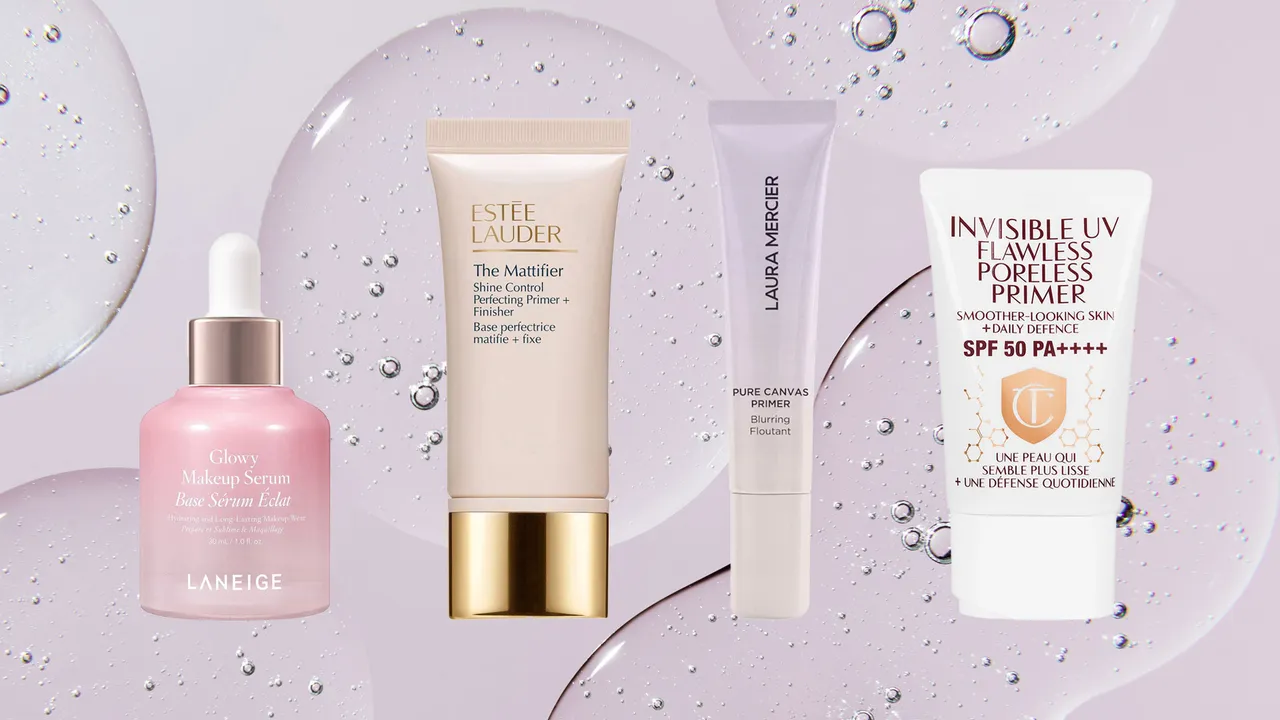

Finding the best primer for oily skin can completely change the way your makeup looks and feels throughout the day. If you’ve ever applied a flawless foundation in the morning only to watch it become shiny, patchy, or slide off by lunchtime, you’re not alone. Oily skin naturally produces more sebum, and while that helps keep skin hydrated, it can also make makeup difficult to maintain.
- Why Oily Skin Needs a Dedicated Primer
- Features to Look for in the Best Primer for Oily Skin
- How to Apply Primer Correctly for Maximum Results
- Common Mistakes People Make When Using Primer
- Ingredients That Help Control Oil Naturally
- Tips for Making Makeup Last All Day on Oily Skin
- How to Choose the Right Primer for Your Skin Concerns
- Conclusion
A quality primer creates a smooth barrier between your skin and your makeup. Instead of letting excess oil break down your foundation, it helps control shine, minimize the appearance of pores, and improve the longevity of every product you apply afterward. The result is a fresher, more polished look that lasts for hours.
In this guide, we’ll explore everything you need to know about choosing the best primer for oily skin. From understanding how primers work to selecting the right ingredients and avoiding common mistakes, you’ll have all the information needed to build a makeup routine that truly works for oily skin.
Why Oily Skin Needs a Dedicated Primer
Oily skin behaves differently from normal or dry skin. Throughout the day, sebaceous glands produce natural oils that can mix with foundation, concealer, and powder. This often leads to makeup separating, fading, or looking uneven after only a few hours.
A primer specifically designed for oily skin addresses these challenges before they even begin. Instead of simply creating a smooth canvas, these formulas contain oil-absorbing ingredients that reduce excess shine while helping makeup adhere better to the skin. This means fewer touch-ups and a more consistent finish throughout the day.
Another major benefit is pore refinement. People with oily skin often notice enlarged pores, especially around the nose, forehead, and cheeks. A mattifying primer can temporarily blur these pores, creating a smoother appearance that makes foundation look more natural and professional.
Features to Look for in the Best Primer for Oily Skin
Not every primer is suitable for oily skin. Some products are designed to add hydration or create a dewy glow, which may actually increase shine on already oily skin. Choosing the right formula makes all the difference.
Look for primers labeled as mattifying, shine-controlling, or oil-free. These products are specifically formulated to reduce excess oil without making the skin feel tight or uncomfortable. Lightweight textures are also ideal because they won’t add unnecessary heaviness underneath makeup.
Ingredients matter just as much as marketing claims. Silica is a popular ingredient because it absorbs oil while creating a soft-focus finish. Niacinamide can help regulate oil production over time, while clay-based ingredients provide additional oil control. Avoid overly greasy or thick formulas that may clog pores or contribute to breakouts.
Finally, consider the finish you prefer. Some primers create a completely matte look, while others provide a natural satin finish. Your choice should match both your skin type and the style of makeup you enjoy wearing every day.
How to Apply Primer Correctly for Maximum Results
Even the best primer for oily skin won’t perform well if it’s applied incorrectly. Preparation begins with a gentle cleanser to remove overnight oil and impurities. Following cleansing, apply a lightweight moisturizer that suits oily skin. Skipping moisturizer can actually encourage the skin to produce even more oil.
Allow your skincare products to absorb fully before applying primer. Using a pea-sized amount is usually enough for the entire face. Focus on the T-zone, where oil production tends to be highest, and gently blend outward using clean fingertips or a makeup sponge.
After applying primer, wait about one minute before moving on to foundation. This brief pause allows the primer to set properly and form an effective base. Rushing the process may reduce its ability to grip makeup and control shine throughout the day.
Common Mistakes People Make When Using Primer
One of the biggest misconceptions is believing that more primer will provide better oil control. In reality, using too much product can cause foundation to pill, separate, or feel heavy. A thin, even layer delivers the best performance.
Another common mistake is pairing incompatible products. For example, using a silicone-based primer with a water-based foundation may reduce wear time or create uneven application. Checking product compatibility helps ensure smoother makeup and better overall results.
Many people also neglect proper skincare because they assume primer alone can solve oily skin concerns. Healthy skin remains the foundation of great makeup. Consistent cleansing, gentle exfoliation, and lightweight hydration all contribute to improved primer performance and longer-lasting makeup.
Ingredients That Help Control Oil Naturally
Modern primers often include skincare ingredients that do more than simply prepare the skin for makeup. These ingredients work throughout the day to manage oil production while improving the overall appearance of the complexion.
Niacinamide is one of the most effective additions to primers designed for oily skin. It helps strengthen the skin barrier while gradually balancing oil production. Over time, many users notice reduced shine and smoother-looking skin.
Silica remains one of the most reliable oil-absorbing ingredients available. It instantly mattifies the complexion without making the skin appear dry or chalky. Kaolin clay is another excellent option because it gently absorbs excess sebum while remaining suitable for most skin types.
Some primers also include antioxidants and soothing botanical extracts. These ingredients help reduce redness, protect against environmental stress, and maintain healthier-looking skin, making them beneficial additions beyond simple makeup preparation.
Tips for Making Makeup Last All Day on Oily Skin
Using the best primer for oily skin is an excellent first step, but a complete routine delivers even better results. Start with lightweight skincare products and avoid heavy creams that may increase shine before makeup application even begins.
Choose long-wearing, oil-free foundations whenever possible. These formulas are typically designed to complement mattifying primers and resist breakdown caused by excess sebum. Applying foundation in thin layers also creates a more durable finish than applying one thick layer.
Setting powder should be applied strategically rather than heavily. Focus on areas that become oily first, such as the forehead, nose, and chin. Too much powder can create a cakey appearance, while the right amount helps lock everything into place.
Finally, keep blotting papers in your bag instead of adding multiple layers of powder throughout the day. Blotting papers remove excess oil without disturbing your makeup, helping your complexion remain fresh and natural from morning until evening.
How to Choose the Right Primer for Your Skin Concerns
Although oily skin is the primary concern, individual needs still vary. Some people struggle mainly with enlarged pores, while others deal with acne-prone skin, redness, or uneven texture. Identifying your biggest concern helps narrow your options.
If enlarged pores are your main issue, choose a pore-blurring primer with a smooth, velvety texture. These products create an even surface that improves the appearance of foundation and minimizes visible texture.
For acne-prone skin, select non-comedogenic formulas that won’t clog pores. Products containing calming ingredients such as niacinamide can offer additional skincare benefits while reducing the likelihood of irritation or breakouts.
If you have combination skin rather than consistently oily skin, consider applying primer only where it’s truly needed. Targeting the T-zone while leaving naturally dry areas untouched creates a balanced, comfortable finish without emphasizing dryness.
Conclusion
Choosing the best primer for oily skin is one of the smartest investments you can make in your makeup routine. A well-formulated primer helps control shine, blur pores, improve makeup longevity, and create a smooth base that keeps your complexion looking polished for hours. Combined with lightweight skincare and compatible makeup products, it becomes an essential tool for achieving a fresh, matte finish.
Remember that no single product works identically for everyone. Understanding your skin’s unique needs, paying attention to beneficial ingredients, and applying primer correctly will help you get the best possible results. With the right approach, oily skin becomes much easier to manage, allowing your makeup to stay beautiful, comfortable, and confident all day long.
You May Also Read: Females Firsts