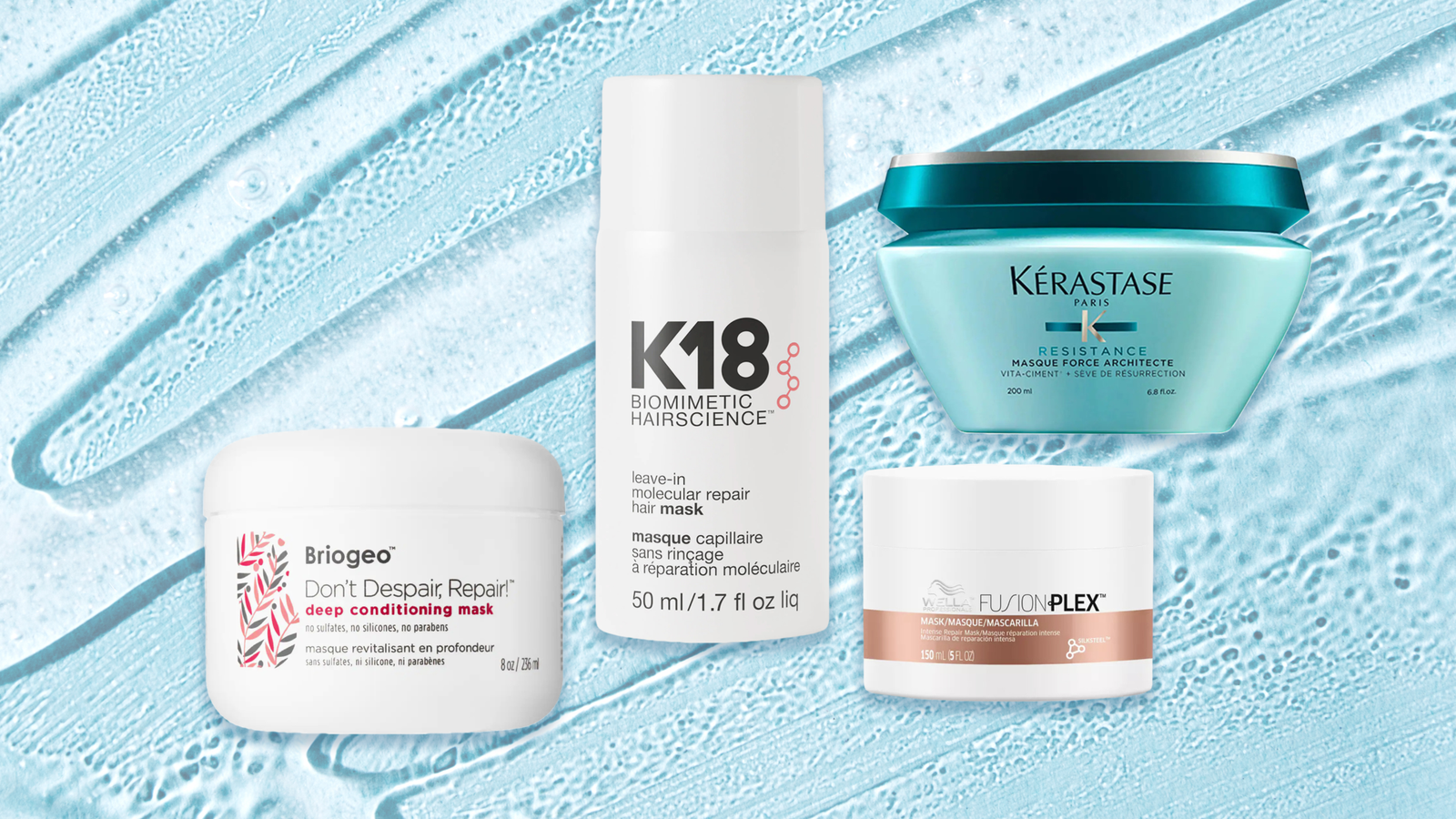

If your hair feels dry, brittle, or dull no matter how much shampoo and regular conditioner you use, you’re probably missing one essential step. The best deep conditioner delivers intense moisture and nourishment that everyday products simply can’t match. Unlike standard conditioners, it penetrates deeper into the hair shaft, repairing damage from heat styling, coloring, and environmental stress while restoring softness and shine from the inside out.
- What Is Best Deep Conditioner?
- Key Features of Best Deep Conditioner
- Benefits of Best Deep Conditioner
- How Does Best Deep Conditioner Work?
- Important Things to Know About Best Deep Conditioner
- Common Mistakes to Avoid
- Expert Tips and Best Practices
- Comparison Table
- Future Outlook of Best Deep Conditioner
- Conclusion
- FAQs
Choosing the right formula, however, isn’t always straightforward, since not every product works the same way for every hair type. In this guide, we’ll walk through everything you need to know, from how deep conditioners function to the mistakes that quietly sabotage your results. By the end, you’ll know exactly how to pick the best deep conditioner for your unique hair needs.
What Is Best Deep Conditioner?
The term “best deep conditioner” refers to a hair treatment formulated with concentrated moisturizing and repairing ingredients that go beyond basic hydration. These products typically contain oils, proteins, and humectants designed to penetrate the hair cuticle rather than simply coating the surface. Consequently, they address deeper issues like dryness, breakage, and chemical damage that lighter conditioners often fail to resolve, especially for curly, coily, or color-treated hair.
Most formulas fall into two categories: moisturizing treatments and protein treatments. Moisturizing options focus on hydration using ingredients such as shea butter, glycerin, and fatty alcohols, while protein-based versions rebuild structural strength using keratin or hydrolyzed proteins. Because hair damage varies from person to person, understanding which category suits your strands is essential before selecting the best deep conditioner for your routine.
Additionally, deep conditioners are usually left on for ten to thirty minutes, sometimes with heat, to allow the active ingredients to fully absorb. This extended contact time is what separates them from rinse-out conditioners used daily. As a result, they’re typically used weekly or biweekly rather than every wash day, making them a targeted treatment instead of a routine maintenance step.
Key Features of Best Deep Conditioner
A high-quality deep conditioner is defined by its ingredient concentration, which is noticeably richer than standard formulas. Look for humectants like glycerin or aloe vera, emollients such as shea butter or coconut oil, and occlusives that seal in moisture afterward. These components work together to soften hair texture, reduce frizz, and improve manageability, particularly for those dealing with dryness caused by frequent heat styling or harsh weather conditions.
Another defining feature is the inclusion of strengthening agents like hydrolyzed keratin, biotin, or amino acids. These ingredients temporarily fill gaps in damaged hair cuticles, which improves elasticity and reduces breakage over time. Meanwhile, some premium formulas also include antioxidants or vitamins such as B5 and E, offering added protection against environmental stressors like UV exposure and pollution that gradually weaken hair fibers.
Texture and application method also matter significantly when evaluating products. The best deep conditioner usually has a thick, creamy consistency that clings to strands without weighing them down, unlike thinner leave-in conditioners. Furthermore, many top-rated options are formulated without sulfates, parabens, or silicones, appealing to consumers who prioritize cleaner beauty standards while still expecting salon-quality results at home.
Benefits of Best Deep Conditioner
Using a deep conditioner regularly offers noticeable improvements in hair texture almost immediately. Strands become softer, smoother, and easier to detangle, which reduces breakage during brushing or styling. Because the treatment penetrates beyond the cuticle layer, it also improves elasticity, meaning hair stretches and bounces back instead of snapping under tension, a common problem for those with chemically treated or heat-damaged hair.
Beyond surface-level softness, the best deep conditioner strengthens hair from within by replenishing lost proteins and moisture. This is particularly beneficial for curly and textured hair, which naturally struggles to retain hydration due to its structure. Over time, consistent use can reduce split ends, minimize frizz, and enhance natural shine, giving hair a healthier appearance without relying solely on styling products or heat tools.
Deep conditioning also plays a protective role, especially before or after chemical processes like coloring or perming. It helps buffer hair against damage while supporting faster recovery afterward. Additionally, many users report improved scalp comfort, since well-moisturized hair reduces friction and irritation. Altogether, these benefits make deep conditioning a foundational step for anyone serious about long-term hair health.
How Does Best Deep Conditioner Work?
Deep conditioners work primarily through a process called cuticle penetration, where smaller molecular ingredients slip beneath the hair’s outer layer. Once inside, they bind with the internal structure, replenishing moisture and protein that everyday exposure to heat, sun, and pollution strips away. This is fundamentally different from surface conditioning, which simply smooths the cuticle without addressing internal damage or dryness at a structural level.
Heat often plays a supporting role in this process, since warmth opens the hair cuticle slightly, allowing active ingredients to absorb more effectively. That’s why many people use a shower cap or hooded dryer during treatment. Afterward, cooler water is typically used to rinse and seal the cuticle shut, locking in the nutrients and moisture that were just absorbed for longer-lasting results.
The effectiveness ultimately depends on formulation and application time, since rushing the process reduces absorption. Most treatments require at least fifteen minutes to work properly, though severely damaged hair may benefit from longer exposure. Consequently, patience matters just as much as product quality. Even the best deep conditioner won’t deliver optimal results if it’s rinsed out too quickly or applied inconsistently.
Important Things to Know About Best Deep Conditioner
Not all deep conditioners are created equal, and matching the formula to your hair type is crucial. Fine hair often becomes weighed down by heavy, butter-based formulas, while thick or coily hair typically needs richer, more emollient products to see real improvement. Therefore, reading ingredient labels and understanding your hair’s porosity level will help you avoid wasting money on products that don’t suit your specific needs.
Frequency also matters more than people realize. Overusing protein-based deep conditioners can lead to protein overload, making hair stiff, brittle, and prone to snapping. On the other hand, using only moisturizing formulas without occasional protein treatments can leave hair limp and lacking structure. Striking the right balance, often described as protein-moisture balance, is essential for maintaining resilient, healthy-looking hair over time.
It’s also worth noting that results aren’t always instant for everyone. Severely damaged hair may need several consecutive treatments before visible improvement appears. Additionally, deep conditioning cannot repair split ends or reverse permanent structural damage; it can only improve manageability and appearance temporarily. Setting realistic expectations helps prevent frustration and encourages consistent, long-term use rather than abandoning the routine too early.
Common Mistakes to Avoid
One frequent mistake is applying deep conditioner to dirty, product-laden hair. Buildup from styling products or natural oils creates a barrier that prevents active ingredients from properly penetrating the hair shaft. For best results, hair should be freshly washed and slightly damp before application, ensuring the cuticle is open and receptive to absorbing moisture and nutrients rather than sitting uselessly on the surface.
Another common error is leaving the product on for too short a time or, conversely, far too long. Rinsing out after just a few minutes rarely allows enough absorption to make a meaningful difference. Meanwhile, leaving certain protein-heavy formulas on for hours can cause stiffness or breakage. Following the manufacturer’s recommended timing is generally the safest approach for consistent, predictable results.
Many people also neglect to apply deep conditioner strategically, focusing only on the roots instead of the mid-lengths and ends, where damage typically concentrates. Since ends are the oldest and most fragile part of the hair, they need the most attention. Skipping this step, or using cold water to rinse without ever sealing the cuticle, significantly reduces the treatment’s overall effectiveness and longevity.
Expert Tips and Best Practices
Stylists often recommend sectioning hair before applying a deep conditioner to ensure even coverage from root to tip. Using a wide-tooth comb afterward helps distribute the product thoroughly while gently detangling strands without causing unnecessary breakage. This method is particularly helpful for thick or curly hair, where uneven application can leave certain sections under-treated while others become overly saturated and heavy.
Incorporating gentle heat, such as a warm towel or shower cap, can dramatically improve how well the treatment performs. Heat encourages the cuticle to lift slightly, allowing deeper ingredient absorption without requiring harsh chemical processes. However, experts caution against using excessive heat sources like flat irons, since this can cause unintended protein denaturation and ultimately do more harm than good to fragile strands.
Finally, alternating between moisturizing and protein-based treatments based on how your hair feels is widely considered best practice among professionals. If hair feels mushy or overly soft, it likely needs protein. If it feels stiff or brittle, moisture is probably lacking. Learning to read these signals helps you choose the best deep conditioner for each specific treatment session rather than relying on guesswork.
Comparison Table
| Feature | Description | Benefits | Drawbacks |
| Moisturizing Formula | Contains humectants and emollients like glycerin and shea butter | Softens hair, reduces frizz, improves manageability | Can weigh down fine hair if overused |
| Protein Treatment | Includes keratin or hydrolyzed proteins | Strengthens strands, reduces breakage | Risk of protein overload if used too often |
| Heat-Activated Masks | Designed for use with heat sources like hooded dryers | Boosts ingredient absorption significantly | Requires extra time and equipment |
| Leave-In Deep Conditioners | Lightweight, no-rinse formulas | Convenient, ideal for daily light hydration | Less intensive than rinse-out treatments |
| Sulfate-Free Formulas | Free from harsh cleansing agents | Gentler on color-treated and sensitive scalps | Sometimes pricier than standard options |
| Curl-Specific Conditioners | Formulated for coily and curly textures | Enhances definition and reduces frizz | May be too rich for straight or fine hair |
Future Outlook of Best Deep Conditioner
The hair care industry is increasingly shifting toward personalized formulations, and deep conditioners are no exception. Brands are investing in AI-driven hair analysis tools and custom formulation services that tailor ingredients to individual porosity, texture, and damage levels. As this technology becomes more accessible, choosing the best deep conditioner will likely become a more precise, data-informed decision rather than a trial-and-error process.
Sustainability is also shaping future product development, with more brands moving toward waterless formulas, recyclable packaging, and clean, biodegradable ingredients. Consumers are increasingly prioritizing transparency, demanding clear ingredient sourcing and cruelty-free certifications. This shift suggests that future deep conditioning products will need to balance high performance with environmental responsibility to remain competitive in an increasingly conscious marketplace.
Additionally, advancements in bioengineered proteins and plant-based actives are expected to replace some traditional silicone and synthetic ingredients. These innovations aim to deliver similar smoothing and repair benefits without long-term buildup concerns. As research continues, the best deep conditioner of the future will likely combine scientific precision with sustainable, skin-and-scalp-friendly ingredients, offering more effective results with fewer compromises for everyday users.
Conclusion
Finding the best deep conditioner ultimately comes down to understanding your hair’s unique needs, whether that means prioritizing moisture, protein, or a balanced combination of both. When used correctly, with proper timing, technique, and consistency, deep conditioning can transform dry, damaged hair into stronger, shinier, and more manageable strands over time.
As the industry continues evolving toward personalized and sustainable solutions, choosing the right product will only become easier. By applying the tips and insights shared in this guide, you’ll be well-equipped to select and use the best deep conditioner confidently, achieving healthier hair that looks and feels genuinely revitalized.
FAQs
Q1. How often should I use a deep conditioner? Most hair types benefit from deep conditioning once or twice weekly. However, severely damaged or very curly hair may need more frequent treatments, while fine or oily hair often does better with less frequent use to avoid product buildup.
Q2. Can deep conditioner repair split ends? No, deep conditioners cannot permanently repair split ends. They temporarily smooth the hair’s surface and improve manageability, but the only true fix for split ends is trimming them away with regular haircuts.
Q3. What’s the difference between a deep conditioner and a regular conditioner? Regular conditioners provide light, surface-level hydration for daily use, while the best deep conditioner penetrates the hair shaft with concentrated ingredients, offering intensive repair and moisture that lasts significantly longer.
Q4. Should I apply deep conditioner to my scalp? Generally, deep conditioner should focus on mid-lengths and ends, since scalps produce natural oils. Applying too much near the roots can cause greasiness, especially for those with fine or oily hair types.
Q5. Can I leave deep conditioner in overnight? It’s not typically recommended unless the product is specifically formulated for overnight use. Leaving standard deep conditioners on too long, especially protein-based ones, can lead to product buildup or unwanted stiffness in hair.
You May Also Read: Females Firsts