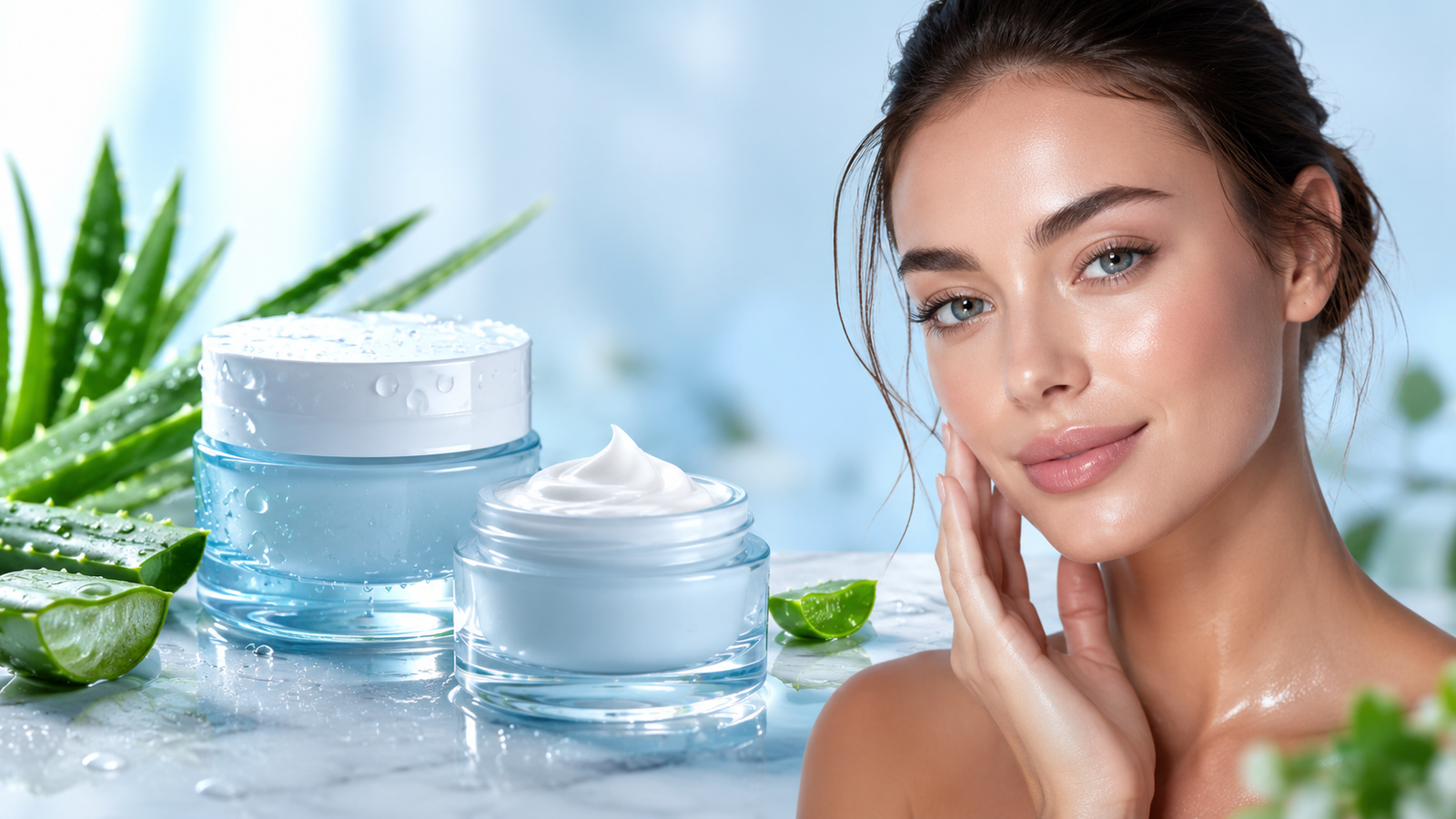

Finding the best moisturizer for acne prone skin can feel overwhelming. Many people worry that moisturizing will make breakouts worse, but the right product actually helps balance the skin and supports a healthy skin barrier. Without enough hydration, acne-prone skin may become irritated, dry, and even produce more oil.
- What Is Best Moisturizer for Acne Prone Skin?
- Key Features of Best Moisturizer for Acne Prone Skin
- Benefits of Best Moisturizer for Acne Prone Skin
- How Does Best Moisturizer for Acne Prone Skin Work?
- Important Things to Know About Best Moisturizer for Acne Prone Skin
- Common Mistakes to Avoid
- Expert Tips and Best Practices
- Future Outlook of Best Moisturizer for Acne Prone Skin
- Conclusion
- FAQs
The ideal moisturizer hydrates without clogging pores. It contains lightweight, non-comedogenic ingredients and often includes soothing components that calm redness and inflammation. Understanding what makes a good moisturizer can help you build a skincare routine that keeps your complexion healthy and clear.
What Is Best Moisturizer for Acne Prone Skin?
The best moisturizer for acne-prone skin is a product specifically designed to provide hydration without blocking pores or increasing oil production. These moisturizers typically contain lightweight ingredients and avoid heavy oils that may trigger breakouts. They also help maintain the skin’s natural protective barrier.
Many acne treatments, including retinoids and benzoyl peroxide, can dry out the skin. A good moisturizer counteracts this dryness and reduces irritation. By keeping the skin properly hydrated, it helps prevent excessive oil production that can contribute to clogged pores and blemishes.
Dermatologists often recommend non-comedogenic formulas containing ingredients such as hyaluronic acid, ceramides, niacinamide, and glycerin. These ingredients deliver moisture while supporting skin health. Choosing the right product can improve comfort and enhance the effectiveness of acne treatments.
Key Features of Best Moisturizer for Acne Prone Skin
The best moisturizer for acne prone skin should always be non-comedogenic. This means the ingredients are less likely to clog pores and contribute to blackheads or pimples. Lightweight gel and lotion formulas are often preferred because they absorb quickly and leave little residue.
Fragrance-free formulas are another important feature. Artificial fragrances can irritate sensitive skin and trigger redness or discomfort. Products formulated for acne-prone skin often avoid unnecessary additives and focus on soothing and repairing ingredients.
A good moisturizer also supports the skin barrier. Ingredients such as ceramides and niacinamide help reduce irritation and improve moisture retention. Additionally, some moisturizers include anti-inflammatory ingredients that calm active breakouts and reduce visible redness.
Benefits of Best Moisturizer for Acne Prone Skin
One major benefit of using the best moisturizer for acne prone skin is maintaining balanced hydration. Properly hydrated skin feels more comfortable and is less likely to become flaky or irritated. This balance can reduce the urge to use harsh products that worsen acne.
Moisturizers can also improve the tolerance of acne treatments. Ingredients like retinol and salicylic acid often cause dryness and peeling, especially during the first few weeks of use. A supportive moisturizer minimizes these side effects and encourages consistent treatment.
Another advantage is healthier-looking skin. Hydrated skin tends to appear smoother and more radiant. Over time, a good moisturizer may help reduce redness and support skin recovery after breakouts, contributing to an improved complexion.
How Does Best Moisturizer for Acne Prone Skin Work?
The best moisturizer for acne prone skin works by attracting and retaining water in the outer layer of the skin. Ingredients such as hyaluronic acid and glycerin act as humectants, drawing moisture into the skin and preventing dehydration.
These products also strengthen the skin barrier. A healthy barrier protects against environmental irritants and helps reduce water loss. When the barrier becomes damaged, the skin may become inflamed and more susceptible to breakouts.
Certain moisturizers include calming ingredients like niacinamide and green tea extract. These ingredients help reduce redness and soothe irritated skin. By improving hydration and reducing inflammation, moisturizers create an environment that supports clearer skin.
Important Things to Know About Best Moisturizer for Acne Prone Skin
Not every moisturizer marketed for oily skin is suitable for acne-prone individuals. Some products contain ingredients that feel lightweight but still irritate sensitive skin. Reading ingredient labels carefully is essential when choosing a product.
Patch testing a new moisturizer can help prevent unexpected reactions. Applying a small amount to a discreet area for several days allows you to identify irritation before using the product on your entire face.
Consistency also matters. Even the best moisturizer for acne prone skin requires regular use to provide noticeable benefits. Applying moisturizer morning and evening helps maintain hydration and supports the skin’s recovery process.
Common Mistakes to Avoid
One common mistake is skipping moisturizer altogether. Many people believe that oily or acne-prone skin does not need additional hydration. However, dehydrated skin often becomes more irritated and may produce more oil.
Another mistake is choosing products with heavy oils or thick occlusive ingredients. While these ingredients may work well for dry skin, they can sometimes feel too rich for acne-prone complexions and contribute to congestion.
Overusing acne treatments without balancing hydration is another issue. Excessive use of drying products can damage the skin barrier and increase sensitivity. A gentle moisturizer helps offset these effects and supports healthier skin.
Expert Tips and Best Practices
Look for labels that say non-comedogenic, oil-free, or suitable for sensitive skin. These descriptions can help narrow your choices and make it easier to identify products designed for acne-prone skin types.
Apply moisturizer while the skin is still slightly damp after cleansing. This technique helps lock in moisture and improves hydration levels. A small amount is usually enough to cover the entire face without leaving a greasy finish.
Introduce new products slowly and avoid changing your entire routine at once. Giving each product time to work makes it easier to identify what benefits your skin and what may cause irritation or breakouts.
| Feature | Description | Benefits | Drawbacks |
| Non-Comedogenic Formula | Designed not to clog pores | Helps reduce breakouts | Not all products perform equally |
| Hyaluronic Acid | Attracts and retains moisture | Lightweight hydration | Requires regular use |
| Ceramides | Strengthen skin barrier | Reduces irritation | Some formulas may feel rich |
| Niacinamide | Anti-inflammatory ingredient | Calms redness and controls oil | Can cause mild sensitivity in some users |
| Fragrance-Free | No added fragrances | Lower risk of irritation | Fewer scent options |
| Gel Texture | Lightweight consistency | Absorbs quickly | May not suit extremely dry skin |
Future Outlook of Best Moisturizer for Acne Prone Skin
The skincare industry continues to develop formulas tailored specifically to acne-prone skin. More brands are focusing on barrier repair and microbiome-friendly ingredients that support overall skin health while addressing breakouts.
Advancements in ingredient research are also leading to innovative formulations. Scientists are exploring new soothing compounds and delivery systems that provide hydration without increasing oiliness or irritation.
Consumers are becoming more educated about skincare ingredients and product labels. This growing awareness is encouraging manufacturers to create transparent, science-backed products that meet the needs of people with acne-prone skin.
Conclusion
Choosing the best moisturizer for acne prone skin is an important step toward maintaining healthy, balanced skin. The right moisturizer supports hydration, strengthens the skin barrier, and complements acne treatments without clogging pores.
By focusing on non-comedogenic ingredients and using moisturizer consistently, you can reduce irritation and improve your overall skincare results. Investing in the best moisturizer for acne prone skin can make a noticeable difference in comfort and complexion.
FAQs
Q1. What ingredients should I look for in the best moisturizer for acne prone skin?
Look for ingredients such as hyaluronic acid, ceramides, niacinamide, and glycerin. These ingredients provide hydration, support the skin barrier, and help calm irritation without making acne worse or clogging pores.
Q2. Can moisturizer cause acne breakouts?
A moisturizer can contribute to breakouts if it contains pore-clogging ingredients or heavy oils. Choosing a non-comedogenic formula specifically designed for acne-prone skin significantly lowers this risk.
Q3. How often should I apply moisturizer if I have acne-prone skin?
Most dermatologists recommend applying moisturizer twice daily, once in the morning and once at night. Consistent use helps maintain hydration and minimizes irritation from acne treatments.
Q4. Is gel moisturizer better for acne-prone skin?
Gel moisturizers are often a good choice because they feel lightweight and absorb quickly. However, the best option depends on your skin type, climate, and individual hydration needs.
Q5. What is the best moisturizer for acne prone skin during acne treatment?
The best moisturizer for acne prone skin during treatment is a gentle, fragrance-free, non-comedogenic product that contains soothing ingredients like ceramides and niacinamide to reduce dryness and irritation.
You May Also Read: Females Firsts