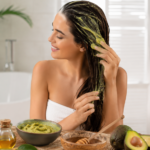

Healthy, shiny hair doesn’t always require expensive salon treatments. A diy hair mask can nourish your strands using ingredients already sitting in your kitchen. From avocado and honey to coconut oil and yogurt, homemade treatments have become a popular way to improve hair health naturally.
Many people turn to a diy hair mask to combat dryness, frizz, split ends, and dullness. The right ingredients can deeply moisturize your hair, strengthen weak strands, and support a healthier scalp without spending a fortune.
What Is DIY Hair Mask?
A diy hair mask is a homemade deep-conditioning treatment made from natural ingredients that nourish the hair and scalp. Unlike regular conditioners, these masks typically stay on the hair for a longer period, allowing beneficial nutrients to penetrate the strands more effectively.
Most homemade hair masks contain ingredients such as coconut oil, olive oil, eggs, honey, aloe vera, bananas, and yogurt. Each ingredient offers different benefits, including hydration, protein, antioxidants, and vitamins that help improve overall hair appearance and texture.
People with dry, damaged, curly, or chemically treated hair often use these treatments to restore moisture and softness. Because recipes can be customized, a diy hair mask works for nearly every hair type and concern.
Key Features of DIY Hair Mask
One of the main features of a diy hair mask is the use of natural ingredients. Many recipes avoid artificial fragrances, preservatives, and harsh chemicals that may irritate sensitive scalps or contribute to dryness.
Another key feature is customization. You can create a hair mask specifically designed for your needs, whether you want to reduce frizz, increase shine, improve scalp health, or repair damage from heat styling.
Homemade hair masks are also affordable and accessible. Most ingredients are already available in the kitchen, making these treatments a cost-effective alternative to expensive salon products and premium hair care brands.
Benefits of DIY Hair Mask
A diy hair mask can significantly improve hydration. Ingredients such as coconut oil, honey, and avocado help lock moisture into the hair shaft, making strands softer and easier to manage.
These treatments can also strengthen hair and reduce breakage. Protein-rich ingredients like eggs and yogurt may temporarily reinforce weakened hair fibers, helping minimize split ends and improve elasticity.
Another major benefit is scalp nourishment. Natural ingredients can soothe dryness and provide vitamins and antioxidants that support a healthier environment for hair growth and overall scalp comfort.
How Does DIY Hair Mask Work?
A diy hair mask works by coating the hair shaft with nutrient-rich ingredients that penetrate and condition the strands. Oils help seal moisture, while proteins and vitamins temporarily improve texture and strength.
The ingredients remain on the hair for fifteen to thirty minutes, allowing sufficient time for absorption. Heat from the scalp and the natural warmth of the ingredients can further improve the conditioning process.
Different ingredients target different concerns. For example, honey acts as a humectant that attracts moisture, while avocado provides healthy fats and vitamins that soften and smooth dry hair.
Important Things to Know About DIY Hair Mask
Not every natural ingredient works for every hair type. Fine hair may become greasy from heavy oils, while thick and curly hair often benefits from richer moisturizing ingredients.
Patch testing is important before trying any new recipe. Even natural products can trigger allergies or scalp irritation, especially ingredients like eggs, essential oils, or certain fruits.
Consistency also matters. Using a diy hair mask once every one to two weeks usually provides the best results without causing buildup or making the hair excessively oily.
Common Mistakes to Avoid
One common mistake is leaving a hair mask on for too long. Some ingredients, particularly protein-based recipes, can make hair stiff or dry when overused.
Another error involves applying the wrong ingredients for your hair type. Heavy oils may weigh down fine hair, while protein treatments can create brittleness if used too frequently.
Many people also forget to rinse thoroughly. Residue left behind can make hair appear greasy or dull, reducing the benefits of the treatment and causing unnecessary buildup on the scalp.
Expert Tips and Best Practices
Always apply a diy hair mask to damp hair rather than soaking wet strands. Slightly damp hair allows ingredients to spread evenly and penetrate more effectively.
Use a wide-tooth comb to distribute the mask from the mid-lengths to the ends. If your scalp is dry, gently massage a small amount into the roots for added nourishment.
For better results, cover your hair with a shower cap during treatment. The trapped warmth helps ingredients absorb more efficiently and can improve softness and shine.
Comparison Table
| Feature | Description | Benefits | Drawbacks |
| Coconut Oil Mask | Rich in fatty acids | Deep hydration and shine | May feel heavy on fine hair |
| Avocado Mask | Contains vitamins and healthy fats | Softens dry hair | Can be messy to apply |
| Honey Mask | Natural humectant | Adds moisture and shine | Sticky texture |
| Egg Mask | Protein-rich treatment | Helps strengthen strands | Strong odor for some users |
| Yogurt Mask | Contains proteins and probiotics | Smooths and conditions hair | Not suitable for dairy allergies |
| Aloe Vera Mask | Soothing plant gel | Calms scalp irritation | Mild effects on severe damage |
Future Outlook of DIY Hair Mask
Interest in natural beauty solutions continues to grow in the United States. Consumers increasingly prefer simple ingredients and environmentally friendly alternatives to heavily processed hair products.
Social media platforms and beauty influencers have made homemade hair care more accessible. As a result, people now experiment with personalized recipes that suit their individual hair needs and preferences.
The future of the diy hair mask trend looks promising because it combines affordability, customization, and natural ingredients. More research into plant-based ingredients may also inspire new homemade treatments and innovative recipes.
Conclusion
A diy hair mask is an easy and affordable way to improve hair health using natural ingredients. Whether your goal is hydration, damage repair, or enhanced shine, homemade treatments can deliver noticeable benefits when used correctly.
Choosing ingredients that match your hair type and applying them consistently can make a significant difference over time. A well-crafted diy hair mask can become an effective addition to your regular hair care routine.
FAQs
Q1. How often should I use a diy hair mask?
Most people benefit from using a diy hair mask once every one or two weeks. Frequent application may cause buildup or make hair feel heavy, especially when using oil-based recipes.
Q2. Which ingredients are best for dry hair?
Coconut oil, honey, avocado, and olive oil are excellent choices for dry hair because they provide moisture, improve softness, and help reduce frizz and breakage.
Q3. Can homemade hair masks help damaged hair?
Yes. Ingredients like eggs, yogurt, and aloe vera may improve texture and temporarily strengthen damaged strands. However, severely damaged hair may still require professional treatments and trimming.
Q4. Should I apply a hair mask to the scalp?
If your scalp is dry or flaky, applying a small amount can be beneficial. However, people with oily scalps should focus mainly on the mid-lengths and ends.
Q5. Can I leave a hair mask on overnight?
Most recipes do not need overnight application. Leaving certain ingredients on the hair for too long can lead to buildup or excessive softness that makes hair difficult to manage.
You May Also Read: Females Firsts